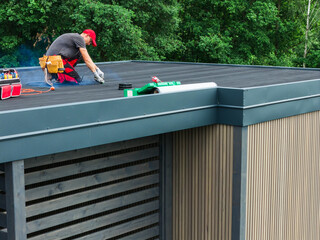
Flat Roof Repair: The First Steps

Visit Website

Flat roofs are prone to structural damage and leaks, which require prompt attention to preserve the integrity of the building structure. The key is regular inspections, which allow you to catch issues before they deteriorate.

Before beginning a flat roof repair project, you must prepare by gathering all necessary tools and materials, prioritizing safety, and clearing the area of debris. Next, identify the location of leaks or cracks and mark them accurately. Visit Website for more details.

Inspect the Roof

The first step in any flat roof repair process is to carefully inspect the entire surface. This will help to pinpoint problem areas that need repair and can provide a visual reference for the next steps. It’s important to pay special attention to areas around roof penetrations like vents, chimneys, and skylights, as these are frequent sources of leaks and water damage. In some cases, this can require removing the aggregate in these areas for an in-depth inspection. This step may be best left to professionals who can offer thorough assessments and utilize specialized diagnostic tools.

A professional flat roofer can identify and address any signs of leaks, cracks or other issues before they cause significant water damage. It’s important to catch these problems early, as the costs associated with repairing them can increase exponentially if allowed to progress. In addition to the initial repair cost, there are hidden costs such as structural deterioration, lower energy efficiency, and health risks associated with mold and rot.

In many instances, a quick fix will be enough to restore the integrity of a flat roof. However, it’s also important to have a plan in place for addressing more serious issues in the future. This could include a complete tear-off and replacement, which can be a less expensive and more practical alternative than continuing to repair leaks.

A comprehensive maintenance program should include inspections by a flat roof professional at least twice per year, in the spring and autumn. This will help to clear the roof of leaves, debris, and other material that can impede drainage and lead to degradation. In addition, it’s a good idea to arrange for a full roof inspection after severe weather events.

Mark the Location of Leaks and Cracks

Flat roofs can be susceptible to a wide range of issues that lead to leaks. Whether due to weather damage, material wear, or incorrect installation, it’s important to identify and address these problems before they lead to water ingress and interior water damage. Regular inspections and prompt repair help ensure your flat roof has a lifespan that protects your building and property.

Once you’ve identified a leak or area of concern, it’s helpful to mark the location using chalk, spray paint, or another marking method. This will make it easier to find the leak when the time comes to perform repairs. It’s also a good idea to take photos of the damaged areas and any signs of moisture or mold that can aid in the repair process.

Next, it’s necessary to clean the affected area. This will remove debris and dirt that can contribute to further wear on the roofing materials, as well as preventing proper drainage. A thorough cleaning will also help you locate the leak and cracks. It’s important to pay special attention to corners, gutters, and areas prone to debris accumulation.

Lastly, inspect the roof for low spots that accumulate water after rainfall. These can strain the roof membrane and allow water to penetrate the structure, leading to a loss of structural integrity. Addressing these problem areas promptly helps prevent water damage and a costly flat roof replacement.

If you suspect your roof is leaking, it’s always best to contact the roofing professionals who installed the roof. They’re familiar with the challenges that flat roofs can face and will be able to conduct a comprehensive inspection and recommend the right repair methods.

Clean the Area

When repairing flat roofs, a clean surface is essential for proper adhesion of patching materials. This means removing any debris that has fallen on the roof, addressing drainage issues, and eliminating mold and algae growth. A commercial cleaning service can help with this process.

If you are a homeowner and want to perform your own roof repair, take the proper safety precautions to avoid injury. Use a ladder that is stable and sturdy and practice safe climbing techniques. Check the weather conditions and choose a day that is not windy or rainy. Wear non-slip shoes and gloves, and work with a partner to prevent falls or property damage.

Depending on the roof material, you will need to clean the area before applying any patches or sealants. Using an industry-recommended cleaner, you can remove organic matter like leaves and twigs as well as dirt, mold, and algae. This will make the area you are repairing much easier to work with and ensure that your repairs are effective.

In addition to cleaning the affected areas, you may need to cut away any blisters or severely damaged sections of the roof. This is an important step because moisture trapped under these pockets can cause further problems. It is also a good idea to dry the area thoroughly before attempting any further repairs.

For more extensive damage, a complete tear-off and replacement may be necessary. This allows the opportunity to select new roofing materials that offer enhanced energy efficiency and sustainability. It is also possible to upgrade insulation as part of this process. While expensive, this type of roof replacement is often cost-effective over the long term and will improve the value of your home or business.

Apply a Sealant or Patching Compound

Whether you’re dealing with a pinhole leak or a wide area of damage, the first step is always to get the damaged area clean and prepped. Sweep the area and scrub it with a brush and roof-compatible cleaner to remove all accumulated dirt, debris, and moisture. Then rinse the spot to remove all cleaner residue and ensure that the underlying surface is dry.

It’s important to be very methodical about this part of the process, as getting it wrong could have disastrous consequences. For example, the type of sealant or patching compound you use depends on your roof material (asphalt, PVC, TPO, etc). If the incorrect product is used, it won’t bond to the existing membrane and might fail in a matter of months.

Also, make sure to take the time to examine the whole area and find all areas of potential damage. This includes ponding water, which usually indicates low spots where water accumulates and deteriorates the roofing membrane. You’ll want to look for cracks and blisters as well, as these are classic places for leaks to start. Finally, check the flashing at all penetrations, such as vents, pipes, skylights, and chimneys. This is another common source of flat roof leaks, and it’s a good idea to replace any worn or damaged flashing as needed.

Once the damage site is clean and prepped, it’s time to apply a primer or sealant to create a primary waterproof barrier. Be sure to choose a product that’s compatible with your flat roof material, and follow the manufacturer’s instructions to apply it correctly. This helps to ensure that the repair will stick and form a strong, lasting bond.

Test the Repairs

Flat roofs are attractive for their sleek design and space-saving features, but they are not immune to wear and tear. It is important to regularly inspect and repair flat roof damage, such as leaks, cracks, and deterioration of the roofing membrane, in order to prevent these problems from escalating into serious structural and financial disasters.

The most common flat roof repairs involve addressing leaks, but other maintenance issues may also be needed to extend the life of your flat roof. For example, a clogged drain can result in standing water on the roof surface that leads to membrane damage and leaks. Regular cleaning of the roof, along with frequent inspections and proper maintenance by qualified professionals, helps to keep drainage clear and reduces the risk of major leaks.

Another critical repair concern is rebuilding weakened or sagging sections of the roof structure. This is often required when the roof has suffered extensive water damage or when a sagging section threatens the integrity of the load-bearing structures beneath it.

While a complete roof tear-off is sometimes necessary to address these major issues, flat roof overlays provide an effective solution for many cases. This process involves applying a new waterproof coating to the existing roof, and it can be done with minimal disruption to building operations. A wide range of materials can be used, including EPDM rubber, modified bitumen, TPO, PVC, and fiberglass/GRP. These coatings can be applied to the roof surface using a roller or brush and must be completely dry in order to promote proper adhesion and to ensure a watertight seal. IR moisture detection is an essential tool in locating leaks and determining the condition of the underlying roof membrane.

Choosing a Roofing Company

When it comes to entrusting the safety of your family and home with a contractor, you want to ensure that they are licensed, insured, and reputable. Unfortunately, unscrupulous operators abound, especially after major storms.

Thankfully, you can avoid them by researching online reviews and local references. Also, make sure you get a detailed written estimate that covers labor costs, materials, permits, and any contingencies. Contact Bears Valley Roofing Company for professional help.

Quality Workmanship

Roofing

When it comes to your roof, you want to work with a contractor that provides quality workmanship. This includes ensuring that all aspects of the installation or repair process are completed properly, from beginning to end. This attention to detail helps ensure that the final product meets or exceeds industry standards and can withstand Pittsburgh’s varying weather conditions year-round.

Another way to evaluate a roofing contractor’s quality of work is by looking at the customer reviews they have posted online. This can give you an idea of what other people have experienced with the company and how they handle any issues that might arise during or after the project.

You should also consider the longevity of a roofing contractor’s business and their track record of satisfaction. A long history of satisfied customers is a good indication that the contractor is reliable and will be around to honor warranties and provide ongoing service.

A quality roofing company will have a solid local presence and a strong reputation within the community. They will be familiar with local building codes and weather patterns, allowing them to offer a more personalized service and better meet your needs.

In addition, a reputable roofing contractor will have liability insurance and workers’ compensation coverage. This will protect you in the event of damage or injury during the project, as well as any other unforeseen expenses that may arise.

Finally, you should always ask a contractor for proof of their insurance before hiring them for any work. This will help ensure that they are licensed and insured, and can comply with all state and local laws. You should also check with the Better Business Bureau (BBB) to see if they have any complaints filed against them.

Overall, choosing the right roofing contractor is an important decision that will have a significant impact on your home’s safety, energy efficiency, and market value. To make the best choice, be sure to take the time to review several companies and assess their customer service, work ethic, and quality of workmanship. By doing this, you can rest assured that you are getting the best value for your money and a roof that will last a lifetime!

Transparency

When hiring a roofing contractor, it is important to make sure that they are providing you with complete transparency and clarity regarding their services. This will ensure that you are aware of any potential additional costs, and can compare quotes from different contractors to find the best deal. A transparent quote should include a detailed description of the work, as well as clear timelines and payment terms. It should also specify the types of materials used, and provide a breakdown of labour costs.

A thorough roofing scope of work can help to eliminate any misunderstandings and reduce project delays. A comprehensive document can also serve as legal protection should any disputes arise. It can also facilitate efficient project management, allowing contractors to allocate resources and manpower more effectively. Using CRM software, roofing contractors can easily customize roofing scope of work documents to suit individual customer requirements. This can save time and money, and enhance the professionalism of the sales process.

Transparent roofing sheets can enhance the aesthetics of a building or space by incorporating natural light into the design. It is vital that you choose high-quality transparent roofing sheets to ensure long-term durability and functionality. The material must also be resistant to weather conditions, such as heavy rains and snow reins. It should also be heat-resistant, and should fit with other architectural elements to achieve a cohesive look. Choosing the right materials will help to minimize maintenance, repair, and replacement costs.

Moreover, it is important to look for roofing contractors with a good reputation. Checking a contractor’s rating on platforms like the Better Business Bureau can help to identify any underlying issues. You can also read reviews to gain insight into a contractor’s performance and ethics.

A transparent roof is a great way to maximize the natural sunlight in your home, while still maintaining privacy. However, it is important to consider the impact on your privacy as well as your lifestyle and financial situation. You can also use solutions like frosted or tinted glass to reduce the level of visibility.

Warranty

The decision to invest in a new roof is an important one. You want to be sure that your investment is protected, and a roofing warranty can help.

When selecting a roofing company, be sure to review the manufacturer and workmanship warranties carefully to understand what is covered and what isn’t. A reputable roofing company will be happy to clarify any unclear terms. Also, be sure to keep a copy of your warranty document in a safe place for future reference.

A Roofing Warranty is an agreement between the manufacturer and a roofing contractor to protect the roof against defects and problems. Typically, this type of warranty covers material and labor costs associated with the repair or replacement of damaged parts.

However, a warranty is not a substitute for homeowner’s insurance. In fact, homeowner’s insurance usually provides more comprehensive coverage than a roofing warranty. In addition, a standard manufacturer warranty is generally prorated and does not provide full coverage after the first few years of installation.

Leaks caused by natural wear and tear are not typically covered by a warranty, as they are considered to be the result of normal aging or weathering. Additionally, a manufacturer’s warranty may not cover damage caused by the use of non-approved materials or accessories.

Moreover, even when the best materials are used, a leaky roof can be caused by improper installation or construction techniques. As a result, it is critical for roofers to follow the manufacturer’s guidelines and install the roof correctly. Failure to do so may void the manufacturer’s warranty.

For this reason, many manufacturers offer longer roofing warranties when they are installed by a reputable roofing contractor that is certified to work with their products. By offering a warranty, roofing companies can build customer loyalty and confidence in their work, as well as set themselves apart from the competition. The challenge of offering a warranty is not without its obstacles, but with a strong commitment to quality and transparency, it can be an excellent way for roofing companies to increase sales. For more information on how a roofing company can offer you an exceptional warranty, please contact us.

Shelter Above All: The New Era of Roofing Mastery

The roof is more than a shield above our heads. It is a vital part of a structure’s identity and strength. Without a reliable roof, the comfort and safety inside are always at risk. That’s why understanding roofing goes beyond simple construction.

Roofing

Roofing has evolved far beyond just laying tiles or sheets. It has become a precise science of balance, durability, and innovation. Modern approaches focus on blending strength with sustainability. And every decision, from material to design, now shapes how buildings live and breathe. Contact Cedar Park Roofing Pro for professional help.

The role of a roof starts long before construction begins. Planning its structure requires assessing climate, weight tolerance, and long-term exposure. What used to be guesswork is now guided by research and engineering. This ensures the final result performs under pressure and lasts for decades.

Materials remain at the heart of roofing decisions. Each type offers different benefits and challenges, influencing cost, resilience, and aesthetics. The choice is not just about covering space but enhancing the building’s character. A good roof complements the architecture while serving as its ultimate defense.

Today’s roofing systems are also built for energy intelligence. They can reflect heat, insulate interiors, and support environmental goals. This is crucial as energy costs rise and ecological awareness grows. A well-designed roof reduces dependency on artificial cooling and heating, saving money over time.

Technological progress has deeply transformed roofing techniques. Precision tools and advanced modeling ensure every component fits perfectly. Digital simulations predict how roofs behave under stress before they are even built. These innovations reduce errors, cut waste, and extend structural life.

Roofing is no longer a one-size-fits-all solution. Custom designs adapt to specific site conditions, building purposes, and user needs. Whether it’s a lightweight structure or a heavy-duty installation, flexibility defines modern roofing. This tailored approach ensures efficiency from the ground up.

Durability remains a non-negotiable factor in any roofing project. A strong roof must resist wind, rain, snow, and heat without compromising integrity. Testing standards have grown stricter to guarantee that resilience. Every layer, joint, and seal is now evaluated for maximum performance.

The relationship between roofing and safety is undeniable. A failing roof can endanger lives and property. That’s why safety regulations have become more detailed and enforced. These standards ensure that each project prioritizes protection above all else.

Sustainability has also shaped how roofing is planned and built. Eco-friendly materials and recycling practices are no longer trends but expectations. Green roofing systems, designed to support vegetation or harvest water, are gaining attention. These solutions reduce environmental impact while adding functional value.

Maintenance is another critical chapter in the roofing story. Even the most advanced systems require regular care to stay reliable. Inspections, cleaning, and minor repairs extend a roof’s life and prevent costly issues. This proactive approach transforms maintenance from an expense into an investment.

Roofing also plays a significant role in property value. A well-maintained, aesthetically pleasing roof increases appeal and resale potential. Buyers often see the condition of the roof as a reflection of overall property care. In this way, roofing influences not just structure but perception.

Climate challenges have forced roofing design to adapt in new ways. In regions prone to heavy rainfall or storms, drainage systems and sealing methods are now more sophisticated. In hotter climates, reflective coatings and ventilated spaces are prioritized. Each solution reflects a response to environmental demands.

Installation methods have become faster and more efficient. Prefabricated components, modular designs, and innovative fastening systems reduce time on-site. These techniques lower labor costs and minimize disruptions during construction. Yet, speed never compromises quality—precision remains the final measure.

The relationship between roofing and interior comfort is often underestimated. Temperature regulation, moisture control, and noise reduction all start above the ceiling. The right roofing choices create stable indoor environments year-round. This improves quality of life and reduces reliance on mechanical systems.

In urban development, roofing plays an expanding role in city planning. Rooftop spaces are being transformed into gardens, recreation areas, and energy hubs. These multifunctional uses turn roofs into valuable real estate. It’s a shift from passive protection to active contribution.

Innovation also extends to roofing accessories and smart systems. Sensors can now detect leaks, monitor humidity, and alert owners to potential problems. These intelligent features prevent minor issues from becoming major failures. Technology has made roofing more proactive than reactive.

The collaboration between designers, engineers, and builders is more important than ever. Roofing is no longer just a trade but a multidisciplinary craft. Each project demands coordination to ensure structure, style, and function align perfectly. This teamwork elevates the quality and reliability of the final outcome.

Education and training have also advanced within the roofing industry. Skilled professionals must understand new materials, techniques, and safety standards. Continuous learning ensures quality workmanship and innovation. A knowledgeable workforce is the backbone of the industry’s progress.

Weather unpredictability has highlighted the need for adaptable roofing systems. Materials that can expand and contract without damage are now preferred. Structures are designed to handle fluctuating conditions without losing efficiency. Flexibility is now a crucial measure of durability.

The financial aspect of roofing requires careful consideration. Initial costs are just one part of the equation. Long-term savings from durability, insulation, and low maintenance often outweigh upfront expenses. A strategic investment in roofing pays off over decades.

The aesthetic dimension of roofing is also evolving. Roofs are now integral to architectural expression, not just functional layers. Creative shapes, colors, and finishes contribute to a building’s identity. They help structures stand out while still performing their protective role.

Community and environmental regulations shape roofing choices too. Builders must adhere to codes that prioritize safety, sustainability, and design harmony. Compliance is not just a legal requirement but a mark of responsibility. It reflects a commitment to both occupants and the environment.

As urban density increases, vertical expansion becomes more common. Roofing systems must adapt to higher structures and new load demands. This has led to specialized solutions for tall buildings and complex geometries. Engineering precision ensures these roofs remain secure at greater heights.

The future of roofing will likely integrate even more renewable energy solutions. Rooftops are ideal spaces for capturing solar power or supporting new energy technologies. This dual-purpose design adds value while promoting sustainability. It redefines the roof as both shield and power source.

Global challenges such as climate change and resource scarcity will continue shaping roofing innovation. Materials will become lighter, stronger, and more recyclable. Designs will focus on energy efficiency and resilience under extreme conditions. The industry is preparing for a future where performance and responsibility are inseparable.

Client expectations are also evolving rapidly. People now demand roofing solutions that are both visually appealing and environmentally conscious. This shift has pushed the industry to innovate beyond traditional boundaries. The result is a growing range of high-performance options.

The process of roofing inspection and certification has become more rigorous. Specialized professionals assess quality at every stage to ensure compliance. These checks protect owners from structural failures and hidden defects. Transparency and accountability build trust in every project.

Collaboration with environmental scientists and engineers is becoming common. This ensures roofing designs align with larger sustainability goals. It also creates opportunities for groundbreaking research and development. Such partnerships push the industry toward smarter, greener solutions.

The cultural meaning of roofing is often overlooked but deeply significant. A roof symbolizes security, stability, and belonging. It is the final layer that transforms a structure into a home or a business. That symbolism underscores the importance of getting it right.

Looking forward, the roofing landscape is poised for continuous evolution. Emerging materials, digital tools, and smarter systems will reshape how roofs are designed and maintained. The next generation of roofing will combine performance, aesthetics, and intelligence seamlessly. It will redefine what we expect from the shelter above us.

Roofing has come a long way from its primitive beginnings. It now represents a fusion of art, science, and engineering. Each innovation reflects a commitment to better, safer, and more sustainable living. And as long as we seek shelter, the roof will remain one of humanity’s greatest achievements.

In the end, roofing is not just about protection. It is about creating a legacy of strength and comfort that stands the test of time. It connects human ambition with natural challenges, shaping the spaces where life unfolds. The mastery of roofing is, and will always be, a story of progress written above our heads.