Mastering the Art of Roofing Techniques

A well-constructed roof is essential for protecting a home, ensuring comfort, and enhancing its overall value. Roofing is more than just a protective layer; it is a combination of craftsmanship, materials, and techniques designed to withstand weather, provide insulation, and maintain structural integrity. Understanding various roofing techniques is crucial for homeowners, builders, and contractors who want durable, safe, and aesthetically pleasing roofs. From installation to maintenance, roofing techniques play a pivotal role in long-term performance and efficiency.

One of the most fundamental roofing techniques involves proper preparation of the roof deck. The deck is the surface upon which roofing materials are installed, and it must be clean, dry, and structurally sound. Ensuring the deck is level, free of debris, and reinforced where necessary creates a stable foundation for all subsequent roofing layers. Attention to detail during this stage prevents issues such as leaks, uneven surfaces, and premature wear, laying the groundwork for a durable roof that can withstand the test of time.
roofing

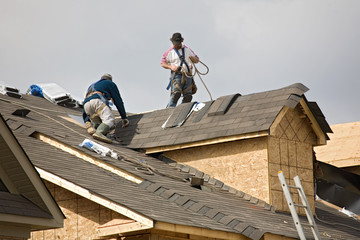
Shingle installation is a widely used roofing technique for residential buildings. Shingles, made from materials such as asphalt, fiberglass, or composite blends, are arranged in overlapping layers to create a water-resistant barrier. Proper alignment, spacing, and fastening are critical to prevent water penetration and wind damage. Techniques such as staggering seams and ensuring correct overlap help maintain structural integrity while enhancing the visual appeal of the roof. Shingle installation is a skill that balances precision, speed, and durability, making it a cornerstone of effective roofing practices.

Metal roofing techniques have gained popularity due to their longevity and resilience. Metal panels or shingles are installed using specialized fasteners and often require precise alignment to ensure proper water runoff. Techniques such as interlocking panels, raised seams, and sealing joints provide enhanced protection against wind, rain, and snow. Metal roofing requires careful handling to avoid dents or scratches during installation, but when executed correctly, it offers superior durability, low maintenance, and an energy-efficient solution that reflects heat and reduces cooling costs.

Tile roofing is another technique that combines functionality with aesthetic appeal. Clay, concrete, or slate tiles are installed over underlayment and carefully spaced to allow for expansion and contraction due to temperature changes. Proper fastening, alignment, and placement of ridge and hip tiles are critical for preventing leaks and ensuring stability. Tile roofing provides excellent insulation, fire resistance, and a timeless appearance, but it requires skilled installation to achieve the full benefits. Attention to detail and adherence to proven techniques ensure that tile roofs remain both beautiful and long-lasting.

Flat roofing techniques are commonly used for commercial buildings and certain modern residential designs. Flat roofs require meticulous installation of waterproof membranes, proper drainage systems, and insulation to prevent water pooling and structural damage. Techniques such as torch-down application, liquid-applied coatings, and layering of synthetic membranes provide effective protection against leaks and UV damage. While flat roofs may appear simple, their installation demands careful attention to slope, drainage, and sealing to ensure longevity and performance.

Roof ventilation is a crucial aspect of roofing techniques that enhances energy efficiency and prevents damage. Properly ventilated roofs allow air to circulate, reducing heat buildup in the attic and preventing moisture accumulation. Techniques such as ridge vents, soffit vents, and turbine vents help maintain balanced airflow, extending the life of roofing materials and protecting the underlying structure. Effective ventilation prevents issues such as mold, ice dams, and premature deterioration, making it an integral component of any roofing project.

Insulation and underlayment techniques further contribute to the performance of a roof. Installing high-quality underlayment provides an additional barrier against water infiltration, while insulation improves energy efficiency and comfort within the home. Techniques such as layering synthetic or felt underlayment and sealing edges and seams prevent leaks and drafts. A properly insulated and underlayment-protected roof enhances thermal performance, reduces energy costs, and ensures long-term protection against environmental factors.

Repair techniques are just as important as installation methods. Regular inspections and timely repairs prevent small issues from becoming major problems. Common repair techniques include replacing damaged shingles or tiles, sealing leaks, reinforcing weak spots, and addressing flashing or gutter issues. Knowledge of proper repair techniques ensures that the roof maintains its integrity and continues to provide protection, even as materials age or weather conditions take their toll. Preventive maintenance is a cost-effective approach that extends the life of the roof and protects the investment in the home.

Safety is a critical consideration in all roofing techniques. Working at heights involves inherent risks, and proper safety measures must be observed. Techniques such as using secure scaffolding, harnesses, and non-slip footwear protect workers during installation and repair. Adhering to safety protocols not only prevents accidents but also ensures that roofing tasks are completed efficiently and with precision. Professionalism, training, and attention to safety standards are key elements of successful roofing practices.

Innovations in roofing technology continue to enhance traditional techniques. Advanced materials, such as reflective coatings, energy-efficient membranes, and lightweight synthetic tiles, allow for improved durability, performance, and environmental sustainability. Techniques that integrate these innovations with established practices result in roofs that are stronger, more resilient, and capable of meeting modern demands. Keeping up with technological advancements ensures that roofing methods evolve to meet contemporary standards of efficiency and longevity.

In closing, roofing techniques encompass a broad range of skills and practices designed to protect, insulate, and beautify homes. From proper deck preparation and shingle installation to metal, tile, and flat roof applications, each technique requires attention to detail, precision, and knowledge of materials. Ventilation, insulation, and preventive maintenance further enhance performance, while repair and safety protocols ensure the roof remains reliable over time. By understanding and applying effective roofing techniques, homeowners and professionals can create durable, efficient, and visually appealing roofs that stand the test of time. Mastery of these methods not only safeguards homes but also elevates the overall quality and comfort of living spaces, demonstrating the true art and science of roofing.


Types of Steel Stairs and Railings for Residential Use

Steel Stairs and Railings

Steel Stairs and Railings are more than just a safety feature; they can frame your staircase with elegance and style. A wide variety of materials are available, from wrought iron with a refined look to glass that lets natural light flow.

Each material has its pros and cons when balancing safety, cost, aesthetics, climate, and maintenance needs. Custom metal stair railings offer strength, style flexibility, and durability.

Steel

A stairway with steel handrails offers durability and a sleek look. Many homeowners choose to use a stainless steel railing because it is resistant to moisture and stains. The material is also easy to clean. Additionally, this type of stairway railing looks great in homes that have a modern or contemporary design. It is also easy to find stainless steel handrails that match a specific color scheme or style of home décor.

Steel stairs and railings are commonly used in commercial buildings, but they can also be found at some residential properties. Stainless steel is the preferred material for staircases and balcony railings because it can withstand a lot of pressure. In addition to this, it is highly corrosion resistant. The best part is that it comes in a variety of finishes to fit your design preferences.

Stair rails made of steel are often used in homes with balconies, but they can also be installed on basement stairs. Basement stairways often lead to kids’ playrooms or other types of lounge areas, so the handrails must be strong and durable. Stainless steel handrails are ideal for this purpose, as they are able to handle the increased foot traffic.

For a unique and stylish look, consider a mono stringer system with glass panels. This design offers a minimal support structure and allows you to see your entire stairway at once. This type of stair railing system is popular among homeowners who want to create an elegant, luxurious living space in their home.

Stainless steel handrails can be found in a variety of home styles, and they can even complement wrought iron railings. In fact, a combination of the two is one of the most popular choices for modern staircases. This is because the sturdiness of steel is combined with the beauty of wood, which adds a natural and luxurious touch to the staircase.

Stainless steel is also a good choice for balconies in southern climates, as it is able to withstand the harsh winter weather. However, in northern climates, the extreme cold can cause metal to change at the molecular level, causing it to become less flexible. This is not an issue with aluminum, which can withstand the temperature changes more easily than stainless steel.

Iron

Iron stair railings are a beautiful way to elevate the look of your staircase. They can be adapted to suit a wide range of architectural styles and mesh well with both traditional and modern designs. Their malleability allows craftsmen to create a variety of patterns, from sleek minimalist designs to intricate scrollwork.

Iron railings can be designed to be open and airy, which can make a staircase feel less confined while still providing safety. This is accomplished by using thinner railings that leave more space between each one, or by incorporating transparent sections that let light filter through. In addition to enhancing the visual appeal of a staircase, open railings can also help brighten up a room by letting more natural light flood in.

Another advantage of iron stair railings is that they are strong and durable, which means they can stand up to a lot of wear and tear over the years. They are a great option for high traffic areas because they can withstand constant pressure without denting or scratching like aluminum can. Stainless steel railings are even more durable, and they can stand up to extreme weather conditions like heat and rain.

While some homeowners may be reluctant to choose steel stairs for their home, they are a smart investment that add value and beauty to any property. These durable stairs are not only safe, but they will last for decades and can withstand the elements, making them an excellent choice for any environment.

Steel stair railings can be designed to match a variety of aesthetics, and they will look good in both classic and contemporary homes. They can be paired with wood or glass to complement a variety of different architectural styles. In addition, they can be fabricated in a variety of shapes and sizes, and the finish can be powder coated for added protection and durability.

When choosing a type of stair railing, there are many considerations to consider. The style of the railing should reflect the architectural design of the home, and it should be sturdy enough to withstand the weight of people on the stairs. In addition, the stair railing should be easy to maintain and clean. The most important thing is to ensure that the stair railing meets all building codes and provides adequate safety for anyone who uses it.

Glass

Staircase railings should not only look beautiful, but they should also be safe for homeowners to use. They need to withstand heavy foot traffic, minor impacts and general wear and tear. A premium quality glass stair railing system is highly resistant to these environmental factors. It is also nonporous and easy to clean, making it ideal for high-traffic spaces.

If you are considering installing a glass railing system for your staircase, there are many options available to meet your needs. One popular choice is tempered glass. Tempered glass is heat-treated to make it stronger and safer than regular glass. It is also nontoxic in case of an impact because it does not form sharp fragments when it breaks.

Another option is cable railing systems, which feature stainless steel cables that are stretched horizontally or vertically between metal posts. These are a good choice for modern and industrial designs, as they offer a minimalist aesthetic. However, they may not work well for more traditional design themes.

Aluminum handrails are another good option for residential staircases because they are lightweight and durable. They can be used both indoors and outdoors, and they are easy to maintain because they are scratch-resistant. They also withstand weather exposure, including freezing temperatures and extreme humidity. They are also relatively inexpensive to purchase and install, although they are less visually appealing than other materials.

Wrought iron stair railings are another common option for residential and commercial spaces. These durable, versatile railings can be finished in a variety of colors and patterns to match the style of the space. They are available in a wide range of styles, from simple geometric shapes to ornate art deco designs. They are also a cost-effective solution for public spaces because they are able to withstand large amounts of foot traffic and require little maintenance.

Choosing the right railing material for your staircase is important because it can significantly affect the overall look and safety of the space. A reputable manufacturer of steel stair and railings will be able to help you find the right type for your home or business, and they can customize the finish and shape to suit your taste. They can also recommend the best fasteners to ensure your railings are secure and long-lasting.

Wood

When it comes to choosing building materials for stairs and railings, many homeowners prefer wood because of its durability, beauty and workability. Stairs and railings made of wood can withstand weather, fading and sun damage, as well as the wear and tear of everyday use by humans and animals. They are also easy to clean and can be cleaned without the use of chemicals. Additionally, many woods are naturally resistant to rust and corrosion.

There are a wide range of hardwoods available, each with its own unique color and grain pattern that can be used for stairs or railings. Some of the most popular include oak, walnut, maple and mahogany. Oak, for example, has a strong resistance to warping and is very durable, while walnut has an extremely dense structure that resists denting and scratching. Maple is another common choice for stair treads because of its durability and resistance to stains.

Wood stair railings can be used in combination with metal stair components to create a modern or industrial aesthetic. They are also popular for outdoor spaces, such as decks and patios, where maintaining a view is important. One popular option is a cable railing system, which includes metal posts with horizontal or vertical cables tensioned between them. This style is favored by many architects and designers for its minimalist design and versatility, but it may not be suitable for all staircases.

Stainless steel stair handrails are another common option, particularly in commercial environments. They are a popular choice for stairs in office buildings, shopping malls and public spaces because they can withstand the high volume of traffic. Stainless steel is stronger than aluminum, and it has a higher tensile strength. Stainless steel can be finished with a variety of coatings, including galvanization and corrosion-resistant coatings.

A steel staircase can also incorporate a variety of other design elements, such as balusters, newel posts, spindles and volutes. These are usually made of wood but can be crafted from other materials as well. Balusters are upright support beams that prevent people, pets and objects from falling through the space between stair treads. The spacing between these supports can be calculated to meet safety standards, or they can be decoratively shaped.

Shelter Above All: The New Era of Roofing Mastery

The roof is more than a shield above our heads. It is a vital part of a structure’s identity and strength. Without a reliable roof, the comfort and safety inside are always at risk. That’s why understanding roofing goes beyond simple construction.

Roofing

Roofing has evolved far beyond just laying tiles or sheets. It has become a precise science of balance, durability, and innovation. Modern approaches focus on blending strength with sustainability. And every decision, from material to design, now shapes how buildings live and breathe. Contact Cedar Park Roofing Pro for professional help.

The role of a roof starts long before construction begins. Planning its structure requires assessing climate, weight tolerance, and long-term exposure. What used to be guesswork is now guided by research and engineering. This ensures the final result performs under pressure and lasts for decades.

Materials remain at the heart of roofing decisions. Each type offers different benefits and challenges, influencing cost, resilience, and aesthetics. The choice is not just about covering space but enhancing the building’s character. A good roof complements the architecture while serving as its ultimate defense.

Today’s roofing systems are also built for energy intelligence. They can reflect heat, insulate interiors, and support environmental goals. This is crucial as energy costs rise and ecological awareness grows. A well-designed roof reduces dependency on artificial cooling and heating, saving money over time.

Technological progress has deeply transformed roofing techniques. Precision tools and advanced modeling ensure every component fits perfectly. Digital simulations predict how roofs behave under stress before they are even built. These innovations reduce errors, cut waste, and extend structural life.

Roofing is no longer a one-size-fits-all solution. Custom designs adapt to specific site conditions, building purposes, and user needs. Whether it’s a lightweight structure or a heavy-duty installation, flexibility defines modern roofing. This tailored approach ensures efficiency from the ground up.

Durability remains a non-negotiable factor in any roofing project. A strong roof must resist wind, rain, snow, and heat without compromising integrity. Testing standards have grown stricter to guarantee that resilience. Every layer, joint, and seal is now evaluated for maximum performance.

The relationship between roofing and safety is undeniable. A failing roof can endanger lives and property. That’s why safety regulations have become more detailed and enforced. These standards ensure that each project prioritizes protection above all else.

Sustainability has also shaped how roofing is planned and built. Eco-friendly materials and recycling practices are no longer trends but expectations. Green roofing systems, designed to support vegetation or harvest water, are gaining attention. These solutions reduce environmental impact while adding functional value.

Maintenance is another critical chapter in the roofing story. Even the most advanced systems require regular care to stay reliable. Inspections, cleaning, and minor repairs extend a roof’s life and prevent costly issues. This proactive approach transforms maintenance from an expense into an investment.

Roofing also plays a significant role in property value. A well-maintained, aesthetically pleasing roof increases appeal and resale potential. Buyers often see the condition of the roof as a reflection of overall property care. In this way, roofing influences not just structure but perception.

Climate challenges have forced roofing design to adapt in new ways. In regions prone to heavy rainfall or storms, drainage systems and sealing methods are now more sophisticated. In hotter climates, reflective coatings and ventilated spaces are prioritized. Each solution reflects a response to environmental demands.

Installation methods have become faster and more efficient. Prefabricated components, modular designs, and innovative fastening systems reduce time on-site. These techniques lower labor costs and minimize disruptions during construction. Yet, speed never compromises quality—precision remains the final measure.

The relationship between roofing and interior comfort is often underestimated. Temperature regulation, moisture control, and noise reduction all start above the ceiling. The right roofing choices create stable indoor environments year-round. This improves quality of life and reduces reliance on mechanical systems.

In urban development, roofing plays an expanding role in city planning. Rooftop spaces are being transformed into gardens, recreation areas, and energy hubs. These multifunctional uses turn roofs into valuable real estate. It’s a shift from passive protection to active contribution.

Innovation also extends to roofing accessories and smart systems. Sensors can now detect leaks, monitor humidity, and alert owners to potential problems. These intelligent features prevent minor issues from becoming major failures. Technology has made roofing more proactive than reactive.

The collaboration between designers, engineers, and builders is more important than ever. Roofing is no longer just a trade but a multidisciplinary craft. Each project demands coordination to ensure structure, style, and function align perfectly. This teamwork elevates the quality and reliability of the final outcome.

Education and training have also advanced within the roofing industry. Skilled professionals must understand new materials, techniques, and safety standards. Continuous learning ensures quality workmanship and innovation. A knowledgeable workforce is the backbone of the industry’s progress.

Weather unpredictability has highlighted the need for adaptable roofing systems. Materials that can expand and contract without damage are now preferred. Structures are designed to handle fluctuating conditions without losing efficiency. Flexibility is now a crucial measure of durability.

The financial aspect of roofing requires careful consideration. Initial costs are just one part of the equation. Long-term savings from durability, insulation, and low maintenance often outweigh upfront expenses. A strategic investment in roofing pays off over decades.

The aesthetic dimension of roofing is also evolving. Roofs are now integral to architectural expression, not just functional layers. Creative shapes, colors, and finishes contribute to a building’s identity. They help structures stand out while still performing their protective role.

Community and environmental regulations shape roofing choices too. Builders must adhere to codes that prioritize safety, sustainability, and design harmony. Compliance is not just a legal requirement but a mark of responsibility. It reflects a commitment to both occupants and the environment.

As urban density increases, vertical expansion becomes more common. Roofing systems must adapt to higher structures and new load demands. This has led to specialized solutions for tall buildings and complex geometries. Engineering precision ensures these roofs remain secure at greater heights.

The future of roofing will likely integrate even more renewable energy solutions. Rooftops are ideal spaces for capturing solar power or supporting new energy technologies. This dual-purpose design adds value while promoting sustainability. It redefines the roof as both shield and power source.

Global challenges such as climate change and resource scarcity will continue shaping roofing innovation. Materials will become lighter, stronger, and more recyclable. Designs will focus on energy efficiency and resilience under extreme conditions. The industry is preparing for a future where performance and responsibility are inseparable.

Client expectations are also evolving rapidly. People now demand roofing solutions that are both visually appealing and environmentally conscious. This shift has pushed the industry to innovate beyond traditional boundaries. The result is a growing range of high-performance options.

The process of roofing inspection and certification has become more rigorous. Specialized professionals assess quality at every stage to ensure compliance. These checks protect owners from structural failures and hidden defects. Transparency and accountability build trust in every project.

Collaboration with environmental scientists and engineers is becoming common. This ensures roofing designs align with larger sustainability goals. It also creates opportunities for groundbreaking research and development. Such partnerships push the industry toward smarter, greener solutions.

The cultural meaning of roofing is often overlooked but deeply significant. A roof symbolizes security, stability, and belonging. It is the final layer that transforms a structure into a home or a business. That symbolism underscores the importance of getting it right.

Looking forward, the roofing landscape is poised for continuous evolution. Emerging materials, digital tools, and smarter systems will reshape how roofs are designed and maintained. The next generation of roofing will combine performance, aesthetics, and intelligence seamlessly. It will redefine what we expect from the shelter above us.

Roofing has come a long way from its primitive beginnings. It now represents a fusion of art, science, and engineering. Each innovation reflects a commitment to better, safer, and more sustainable living. And as long as we seek shelter, the roof will remain one of humanity’s greatest achievements.

In the end, roofing is not just about protection. It is about creating a legacy of strength and comfort that stands the test of time. It connects human ambition with natural challenges, shaping the spaces where life unfolds. The mastery of roofing is, and will always be, a story of progress written above our heads.

Signs Your Cabinets Are Good Candidates for Refinishing

Cabinet Refinishing San Jose CA

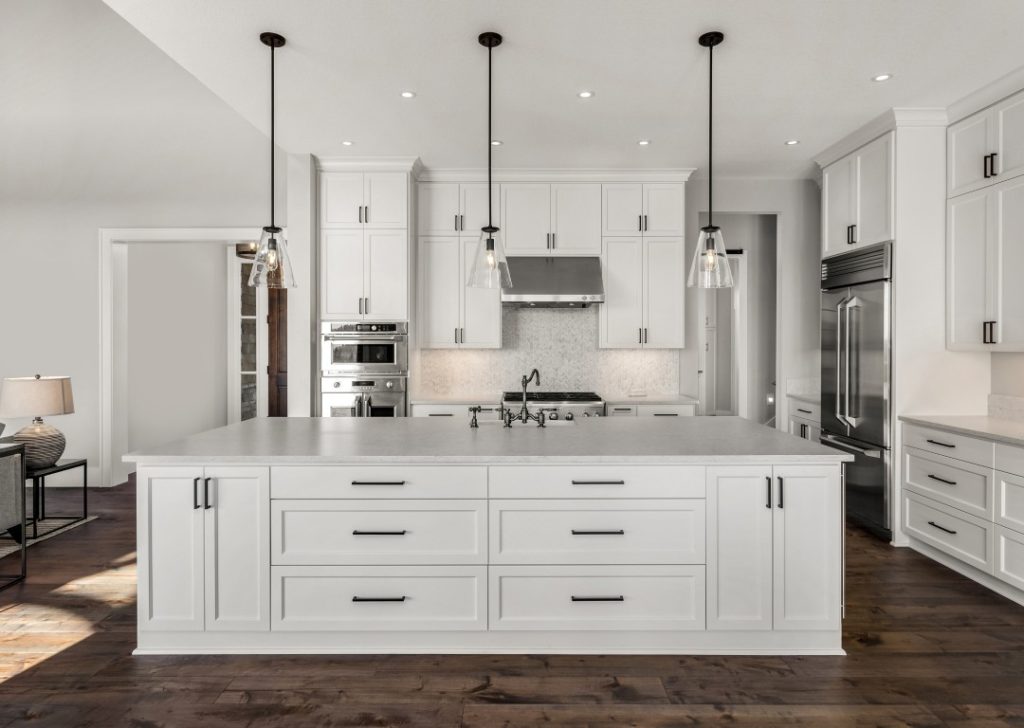
Cabinets are essential to a functional kitchen, and while they’re sturdy enough for years of use they can get dull from the constant touch of our hands. Repainting or cabinet refinishing San Jose CA can give your cabinets a fresh, updated look without the cost of replacement.

Scratches and dents might seem like minor nuisances, but they can leave your cabinets vulnerable to moisture damage. Make sure to repair them before refinishing.

Structural Integrity

Structural integrity is an engineering concept that focuses on how well a structure can hold up to a specified level of pressure without fracture or excessive deformation. It is important for man-made constructions of all kinds, from aeroplanes to river banks. Without structural integrity, these constructions would collapse. Structural integrity is not only a consideration during the design phase of a building, but it also plays a role throughout its life cycle.

Historically, builders, blacksmiths and carpenters used trial and error, apprenticeship, experience, and the knowledge handed down to them through generations to make safe and sturdy structures. These structures lacked the mathematical formulas that now help predict their integrity. Galileo Galilei was one of the first to begin developing mathematical ways to account for the strength of materials when designing structures, but the concept didn’t become widely known until the industrial revolution.

Today, engineers have sophisticated tools and technology to ensure the structural integrity of buildings and other structures. They take into account things like the weight of a structure on top of its foundation, as well as determining how much material is needed for a given task. They also consider how a structure will respond to varying levels of stress, such as wind and weather conditions.

Many factors can cause a structure to lose its structural integrity. These can include corrosion, fatigue cracking, operational stresses, and even human error. Some of these factors are unavoidable, but others can be mitigated or even prevented. For example, downtime caused by structural integrity problems costs an average of USD 125,000 per hour for oil and gas companies.

To reduce the risk of these issues, structural integrity management must be an integral part of all maintenance and production processes. However, there are several challenges to achieving this. First, it is difficult to balance maintenance and production demands with the need for risk reduction investments. Second, aging assets are often at or near their failure limits.

A third challenge is the difficulty in assessing and recording inspection, non-destructive testing, and analysis results on site. Using an integrated integrity solution can simplify the process and avoid errors that may be caused by transcription or data siloes.

Material Quality

The materials used to construct cabinets will determine the final quality of your refinishing job. If your cabinets are made of solid wood or MDF, they’ll take paint very well. The right choice of paint will ensure a smooth, durable finish that resists moisture and scratches. Using a clear polyurethane coat on top of your paint will also add extra protection, extending the lifespan of your cabinet finishes.

However, even if your cabinet doors and drawer fronts are in good shape, the cabinet boxes themselves may need to be refinished. Inspect the condition of your cabinets for dents, cracks, and mold. If you notice any of these issues, reach out to an expert to discuss your repair options. If the cabinet box is damaged beyond refinishing, you’ll want to consider a full replacement.

You’ll also need to decide what type of stain or paint you want on your cabinets. There are many different options, ranging from oil-based stain to water-based stains to combination stains. Choose a color that complements your design preferences. Once you’ve chosen a style, your experienced technician will begin the process of stripping and prepping the surface.

Stripping and sanding are vital steps in the refinishing process, because they prepare the material to accept new stain or paint. The goal of sanding is to remove the top layers of dirt and grime, creating a clean, even surface that will hold your desired stain or paint. This is why it’s important to hire an experienced professional, as a DIY job can lead to uneven and unattractive results.

Once the wood is prepared, your technician will apply multiple coats of your chosen stain or paint. Between each application, the surface will need time to dry thoroughly. Rushing this step will result in tacky or imperfect finishes that don’t last long. Light sanding between each coat will help smooth the surface and ensure that each new layer adheres seamlessly to the previous one. It’s also essential to wait between coats for the stain or paint to fully cure, as rushing can cause flaking and peeling down the line.

Layout Considerations

Cabinets are the foundation of any kitchen. They are not only a key aesthetic element, but they provide vital storage space to support your cooking habits and preferences. Customizing your cabinet layout to align with your kitchen workflow maximizes efficiency and enhances the overall aesthetic of your home.

It can be easy to overlook the details in cabinets, but a fine-tuned finish and construction quality are indicative of superior craftsmanship. When inspecting cabinets, run your fingers over the edges of each face frame and door. You want these to be gently rounded or radiused, rather than crisp and sharp, which are less durable and do not hold paint well.

The back of a cabinet is also an important aspect to consider. The best quality cabinets have a full plywood back panel, allowing them to attach to wall studs from any side, providing strength from all directions. The quality of this back panel is also an indication of how much reinforcement the cabinet has been built with. A thin or flimsy back is weak and will sag over time, especially with heavy contents.

Cabinet hinges are a crucial component to the operation of a cabinet. Those with a loose, sagging or non-functioning mechanism can cause doors to hang unevenly and will not close properly. High-quality hinges are typically nickel plated and adjust six ways to accommodate seasonal movement of the wood.

A quality-constructed cabinet will have a full, solid back and will not be held together by hanging rails or cleats. Depending on the type of cabinet, this solid back may be reinforced with butt or rabbet (notched) joints. It should be thick enough to withstand daily wear and tear, but not too thick to prevent proper cabinet ventilation.

Red Flags

Regardless of their material quality, not all pieces of wood furniture are candidates for refinishing. Look for any signs that the piece is in disrepair and might need to be re-glued or otherwise repaired before it’s safe for refinishing. You might also want to take the time to sand down any damaged surfaces, creating an even, smooth surface that will be easier for paint or stain to adhere to.

Before committing to the process, it’s also a good idea to thoroughly clean any wooden furniture that you plan to refinish. It can often surprise you just how much dirt and grime a flea market find or pawn shop purchase has collected over the years, making it necessary to do some extra work before starting your project.

Finally, make sure that the furniture is worth your time by doing what Masaschi calls “the rickety test.” Place your hand on the back of the piece and rock it to see how much swaying is going on — this indicates how well-constructed it is.

While refinishing cabinets isn’t always easy, with the right guidance from a professional, it can be an excellent way to give your kitchen a makeover without breaking the bank or sacrificing the integrity of your existing cabinet design. Hiring an expert to help you determine if refinishing is the best option for your renovation project and guide you through the steps of getting it done.

Above the Home: The Art and Science of Roof Cleaning

A clean roof defines the first impression of any home. It shields both structure and comfort silently from above. Roof Cleaning is more than aesthetics; it preserves longevity and value. Every method now balances efficiency, safety, and sustainability.

Roof Cleaning

Algae, moss, and lichen silently colonize shingles over time. These organisms trap moisture and accelerate wear. Without intervention, roofing materials deteriorate prematurely. Regular cleaning restores both appearance and protection.

Technology has revolutionized roof cleaning methods. Low-pressure washing and eco-friendly solutions replace harsh chemical blasts. Equipment is designed to protect delicate shingles. Efficiency now goes hand in hand with safety.

Proper inspection precedes every cleaning session. Professionals evaluate structural integrity and material type before applying techniques. This prevents accidental damage and ensures uniform results. Knowledge guides every step.

Preventive roof maintenance extends lifespan dramatically. Clearing debris, moss, and dirt reduces stress on materials. Clean surfaces allow shingles to perform as intended. The roof becomes a durable shield again.

Environmental factors dictate cleaning frequency. Shaded, humid, or heavily wooded areas require more attention. Sunlight, wind, and rain patterns influence algae growth. Each roof tells a story that determines its care schedule.

Safety remains a top priority in modern roof cleaning. Harnesses, scaffolding, and non-slip footwear protect technicians. Accidents on sloped surfaces can be severe. Proper protocol ensures work is completed efficiently without harm.

Water quality influences both technique and outcome. Using soft or filtered water prevents mineral deposits. Avoiding hard-water stains preserves material appearance. The solution is both technical and thoughtful.

Eco-friendly cleaning solutions are increasingly preferred. They remove bio-growth without harming surrounding plants or wildlife. Minimal chemical runoff aligns with environmental responsibility. Sustainability integrates seamlessly with maintenance.

Cleaning is also about aesthetics and curb appeal. A pristine roof brightens the entire home facade. It signals care, investment, and attention to detail. Property value and perception rise with maintenance.

Roof type influences the approach. Tile, slate, asphalt, and metal all require tailored techniques. Each material reacts differently to pressure, moisture, and cleaning solutions. Customization ensures safety and effectiveness.

Moss removal prevents structural compromise. Thick moss layers can lift shingles and trap water. Over time, rot and leaks become likely. Regular cleaning eliminates this hidden threat.

Gutter care complements roof cleaning. Blocked gutters exacerbate water accumulation on the roof. Debris removal reduces overflow and water damage. The system functions best when roof and gutters work in harmony.

Cleaning can uncover hidden issues early. Cracks, loose shingles, and damaged flashing are more visible post-cleaning. Early detection prevents costly repairs later. Maintenance becomes both restorative and diagnostic.

Professional roof cleaning preserves manufacturer warranties. Many warranties require periodic maintenance for validity. Neglect can void protection, increasing long-term costs. Compliance ensures peace of mind.

Time of year affects cleaning outcomes. Cooler, overcast periods reduce chemical evaporation and sun damage. Dry conditions ensure surfaces remain safe for technicians. Timing aligns efficiency with environmental conditions.

Advanced techniques now include soft washing. Gentle chemical solutions remove algae while low pressure prevents erosion. The method preserves integrity while achieving deep cleaning. Science meets care in every application.

Safety extends to homes below the roof. Falling debris, water, or solution can damage landscaping and property. Protective tarps and controlled runoff mitigate risk. Cleaning respects the entire property ecosystem.

Roof inspections often reveal insulation concerns. Damp or waterlogged areas compromise energy efficiency. Cleaning allows better assessment of potential heat loss. Maintenance integrates structural and energy considerations.

Cleaning frequency varies with climate and exposure. Coastal, rainy, or humid regions accumulate moss faster. Drier, sunny areas may require less frequent attention. Personalized schedules optimize both cost and performance.

Algae growth not only stains but degrades materials chemically. Ultraviolet light combined with moisture accelerates deterioration. Timely removal preserves structural integrity. Visual improvement and protection coincide.

Emerging tools allow precision application. Sprayers, soft brushes, and drones enhance safety and coverage. Technicians can target problem areas accurately. Efficiency is boosted without sacrificing quality.

The industry emphasizes minimal environmental footprint. Biodegradable cleaners reduce chemical load in runoff water. Low-pressure washing saves water while achieving thorough results. Sustainability is now a core metric of success.

Cleaning also impacts indoor health indirectly. Debris and algae can affect ventilation and attic air quality. Maintaining a clean roof supports indoor comfort and hygiene. Every surface above influences life below.

Tile roofs benefit from gentle scrubbing techniques. High-pressure washing risks chipping or cracking fragile surfaces. Soft tools combined with cleaning agents achieve both safety and effectiveness. The balance between force and care is crucial.

Metal roofs require special attention to prevent corrosion. Cleaning solutions are carefully selected to avoid chemical reactions. Water flow and contact time are precisely controlled. Longevity is maximized through scientific precision.

Environmental aesthetics matter as much as structural integrity. A roof free of stains enhances neighborhood appearance. Homeowners perceive cleaner properties as safer and more valuable. Visual appeal reinforces maintenance decisions.

DIY cleaning carries hidden risks. Slopes, heights, and chemical exposure create hazards. Professional knowledge ensures safe completion without accidents. Training is as critical as equipment.

Maintenance reduces long-term costs significantly. Preventing moss, algae, and debris buildup avoids expensive repairs. Every dollar spent on cleaning is multiplied in durability. Proactive care outperforms reactive fixes.

Cleaning can extend warranty periods by preserving materials. Manufacturers require periodic care to honor claims. Documented maintenance protects both investment and home safety. Records of cleaning are as valuable as the service itself.

Advanced soft-washing systems integrate chemical, water, and brush technologies. The combination achieves thorough results without aggressive force. Surfaces remain intact while contaminants are removed. Innovation makes traditional methods obsolete.

Sustainable roof cleaning also supports biodiversity. Harsh chemicals threaten plants, insects, and birds. Eco-conscious methods maintain ecological balance. Cleaning contributes to environmental harmony.

Drones now assist in roof assessment. Aerial images reveal moss clusters, damaged shingles, and water pooling. Inspection becomes faster, safer, and more accurate. Technology complements human skill in service.

Moss and lichen removal reduces moisture retention. Damp conditions accelerate decay and leakage. Proper cleaning ensures roofs shed water efficiently. Prevention safeguards both interior and exterior structures.

Every cleaning is an opportunity for early repair. Cracks, loose shingles, and flashing issues are more visible after washing. Proactive intervention avoids emergencies and costly replacements. Regular attention equals long-term savings.

Safety standards continue to evolve. Personal protective equipment, fall arrest systems, and team protocols prevent accidents. Industry best practices prioritize life over speed. Maintenance is effective only when executed safely.

Chemical-free options are gaining popularity. Steam, baking soda, and oxygenated water provide alternatives to harsh cleaners. Results remain effective while minimizing environmental impact. Green cleaning aligns with modern values.

Cleaning influences overall home energy efficiency. Algae-stained surfaces absorb heat differently, impacting temperature regulation. Clean roofs contribute to lower cooling and heating costs. Maintenance enhances both comfort and sustainability.

Shingle preservation is a critical focus. High-pressure methods can erode protective granules. Soft cleaning maintains integrity while extending life. Careful technique preserves both functionality and aesthetics.

Regular inspections paired with cleaning prevent emergency situations. Early warning signs like discoloration or moss clusters indicate future risks. Maintenance schedules now incorporate predictive analysis. Prevention becomes smarter than repair.

Cleaning also improves stormwater management. Debris-free surfaces channel water efficiently into gutters. Reduced blockage minimizes flooding and water damage. Proper maintenance ensures controlled runoff.

Technological integration improves workflow efficiency. Digital records, remote scheduling, and predictive maintenance enhance service. Homeowners gain confidence through transparency. Roof care becomes organized and data-driven.

The tactile aspect of cleaning matters. Brushing, washing, and treatment must respect material properties. Every method considers texture, angle, and durability. Skill determines results as much as technique.

Professional roof cleaning is both art and science. It requires precision, knowledge, and care. Every treatment balances aesthetics, protection, and sustainability. The result is a roof that performs and impresses simultaneously.

Education for homeowners reinforces long-term benefits. Knowledge about moss prevention, water flow, and seasonal care extends effectiveness. Maintenance becomes a shared responsibility. Informed clients protect investment and safety.

Cleaning frequency is adapted to each property. Exposure, roof material, and surrounding vegetation inform schedules. Over-servicing wastes resources; under-servicing risks damage. Optimal intervals maximize cost-efficiency and protection.

Modern roof cleaning emphasizes environmental stewardship. Biodegradable cleaners, low-water systems, and careful runoff management prevent ecological harm. Every action considers both home and planet. Sustainable practice is now inseparable from service excellence.

Weather conditions guide operations. Wet, windy, or icy days can compromise safety and cleaning quality. Professionals plan schedules to align with optimal conditions. Timing ensures effectiveness without unnecessary risk.

The industry continues to innovate in equipment design. Lightweight hoses, ergonomic brushes, and smart sprayers reduce strain and increase precision. Efficiency and safety evolve together. Tools become extensions of expertise.

Overall, roof cleaning preserves both structural and visual integrity. It enhances home longevity, reduces repair costs, and improves curb appeal. The invisible care above the household influences comfort below. Regular attention ensures both beauty and function endure for decades.

Roof cleaning is no longer a simple chore; it is a sophisticated practice. It integrates safety, technology, sustainability, and aesthetics. Every service visit restores value, extends life, and protects both home and environment. Above all, a clean roof is a silent guardian of peace and durability.

General Contractors for Large-Scale Renovations

General Contractors

General Contractor Lexington KY is essential when your project is bigger than a simple home improvement. They handle the hands-on work of bringing your design vision to life.

Sizeable remodeling projects can be complicated and anxiety-inducing. They often involve coordinating several tradespeople, obtaining building permits, and purchasing materials. A professional contractor handles these tasks to ensure your project stays on schedule and within budget.

1. Experience

Typically licensed with the Department of Buildings or the Housing Industry Commission, general contractors serve as the primary point of contact and management for construction projects, ensuring that all phases are completed in accordance with design plans and budgets. Their responsibilities include developing detailed project schedules, procuring materials, hiring and managing subcontractors, and ensuring that all construction work meets building codes and safety regulations.

While both kitchen remodelers and general contractors play a significant role in home improvement, their scope of services, expertise, project management styles, and pricing differ significantly. Choosing the best contractor to manage your renovation project will depend on the size and complexity of your home, whether you’re working with an architect or designer, and whether your NYC coop or condo has a Design-Build model that integrates both planning and construction.

A top-tier general contractor will excel in open communication and realistic expectations, recognizing the unique challenges of urban construction projects such as strict city regulations and tight spaces. They will also demonstrate adaptive agility in the face of unforeseen obstacles, staying calm and focused to deliver results that exceed client expectations.

In addition, reputable contractors will be transparent about costs and fees. They will communicate clearly and effectively with you throughout the process, providing regular updates, and will respect your home and personal belongings by preparing a clear plan for maintaining cleanliness and minimizing disruptions.

2. Reputation

GCs build their reputation by demonstrating that they can take projects from planning to completion. This involves working closely with clients, architects, and engineers to prepare project plans and specifications. It also includes evaluating and testing materials for quality and adherence to building codes. During this phase, a GC may even work with local inspectors to ensure that everything is in order before beginning construction.

Before any physical work begins, a GC reviews the project’s digital blueprints to quantify material requirements and calculate total costs. This process is known as estimating and bidding, and it helps ensure that the final project cost will meet budgetary requirements. It is important to note that GCs do not perform all of the labor themselves; they often contract out specialized trades such as plumbing, carpentry, and concrete.

Once construction begins, a GC oversees the entire project by visiting the job site frequently to monitor progress. They may use various methods to communicate with project stakeholders, including regular meetings, written communications, and communication through project management software.

A GC can be contracted for a fixed price or on a time-and-materials basis. For fixed-price contracts, the contractor agrees to a set amount of hours for work performed and then charges based on that rate. In a time-and-materials contract, the GC will charge an hourly labor rate plus the cost of materials (often with a markup). In either case, a professional GC won’t ask you to pull a permit or hide work under the radar.

3. Communication

A good general contractor communicates openly and effectively. They understand the challenges of construction in urban areas like NYC, conveying realistic expectations to clients while guiding them through any potential obstacles.

They also take the lead on planning and managing a building project. This includes developing detailed project schedules, sourcing materials, hiring and managing subcontractors, and ensuring that a job is completed on time and to quality standards.

Large-scale renovations often entail work in occupied apartments or commercial space, so it’s important for the general contractor to mitigate inconveniences for tenants. They do this by providing ample advance notice of construction, explaining how the work will affect their daily lives, and communicating regularly with residents via email, paper bulletins, phone calls, or text messages. They also provide thorough details on noise levels, expected duration, and safety precautions during the construction process.

The final step in the renovation process involves painting and finishing touches, which elevates aesthetics and adds value to your property. Choosing durable, high-quality materials and finishes is key to ensuring that your investment holds up well over the years. During this phase, your contractor should ensure that each surface is finished properly, with consistent paint coverage and seamless trim work. They should also address any concerns or questions immediately, so that they don’t delay the project. This requires strong communication between you and your contractor, which is best achieved through regular meetings, progress updates, and clear understanding of goals and priorities.

4. Flexibility

A large-scale renovation is a major investment, and having the right team in place is essential to keeping projects on track. General contractors are experienced in handling complex projects and can adjust plans accordingly, minimizing delays and costs. They also have the skills to manage risk-taking situations like weather disruptions, material shortages, labor disputes, and regulatory changes.

Project managers handle the overall construction process, overseeing teams of subcontractors that specialize in a variety of tasks from roofing and plumbing to interior design. They provide a single point of contact for all aspects of your project, simplifying communication.

The best general contractors in New York City are flexible and adaptable, offering transparent decision-making and expert advice. They can accommodate last-minute changes and adjustments without compromising the integrity of your vision.

In addition to flexible planning and scheduling, great general contractors have solid financial management skills. They can provide accurate price estimates based on labor, materials, and timelines to help clients understand the full scope of their project. They can also negotiate with suppliers to secure discounts on materials and equipment, reducing budgetary risks.

The best NYC general contractors have a proven track record of completing projects on time and within budget, even for complex commercial builds and home remodeling. They are also familiar with local building codes and regulations, ensuring the project meets all legal requirements. This helps clients avoid expensive repairs and maintenance issues, while protecting their investment and property.

5. Timeline

A large renovation requires a lot of time. The GC manages the timeline to make sure that each phase is completed within a reasonable timeframe. This allows you to enjoy your renovated space sooner rather than later, and minimizes disruptions throughout the process.

During the design phase, the GC works with architects to translate their designs into detailed blueprints and construction documents that are required for city approval. They also work with the architect to ensure that the plans meet requirements for building codes, safety regulations, and zoning ordinances.

Large projects require specialized expertise in areas like electrical work, plumbing, and structural changes that are typically handled by subcontractors. The GC vets these subcontractors to find qualified, reliable professionals who will complete the work quickly and meet quality standards. They also manage the subcontractors’ schedules to prevent conflicts or overlaps in work.

GCs have experience working on large-scale home remodels, so they know how to identify potential problems and develop solutions that will keep the project on track. This includes negotiating with suppliers to get the best prices on materials, as well as managing budgets to avoid overruns. In addition, they are knowledgeable about the latest innovations in construction materials and can recommend options to meet your aesthetic and functionality goals. The GC will also coordinate with inspectors to schedule necessary inspections at critical points during the project.

6. Budget

Whether you’re working within tight margins or leveraging a commercial loan, you need a clear view into how your renovation dollars are being spent. GCs help manage your project’s financials by tracking vendor invoices and material costs in real-time using professional construction software. This ensures that your budget is kept in line–without sacrificing quality or scope.

During the planning phase, a reputable GC lays out a realistic timeline and itemized budget for your renovation. They analyze your digital blueprints to quantify the materials needed, then use takeoff and estimating software to produce a quote that includes labor, permits, and contingencies. They’ll also negotiate with suppliers to secure competitive pricing on materials and minimize waste and delays.

Once construction begins, a GC’s job is to oversee the project and ensure it is being executed properly. They’ll enforce safety protocols and work zones, manage debris removal and daily cleanup, and schedule required inspections. This ensures that the renovation meets your building code requirements and protects you from liability lawsuits down the road.

A good GC also knows how to monitor quality, which is especially important for large-scale projects. They regularly inspect the site to ensure that workmanship is up to industry standards and that your finished product will be both durable and visually appealing.

The Installation Process of Stamped Concrete – Step-By-Step

Stamped Concrete Denver

Stamped concrete is an intermediate-level project that’s manageable for a determined DIYer, but it does require attention to detail and good timing. The window of time in which to stamp is limited, and mistakes cannot be easily undone. It’s best to diagram the stamp layout and have enough labor on hand before beginning. Using a product like Brickform’s DAY1 to extend workability will also help ensure that the concrete is stamped while it’s still workable.

Preparation

Stamped Concrete Denver is a durable, attractive, affordable and low-maintenance flooring option. It has the added benefit of being slip resistant, which is particularly important in areas with high foot traffic.

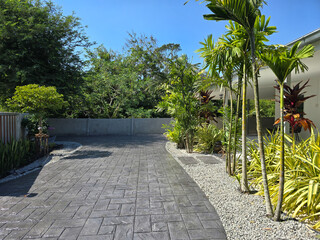
Unlike poured concrete, which is a solid mass, stamped concrete can be made with an infinite number of patterns and colors. Often homeowners get their inspiration from tile, stone or textured concrete elements in the surrounding landscape or home’s architectural style. It’s a great choice for patios, pool decks, driveways and garages.

Before beginning the actual stamped concrete process, the contractor must prep the area. This involves cleaning the concrete slab and removing any existing coatings. It’s a good idea to apply a concrete bonding agent to the surface to help ensure a strong, long-lasting bond.

Once the concrete is clean, the concrete stamping tools are applied to the concrete. It’s important that the contractors carefully diagram the stamp layout before starting, as well as have enough manpower to execute the plan. This is a time-sensitive project, as the window of opportunity to stamp the concrete before it hardens is quite small.

It’s also a good idea to have enough color stain on hand, as this can be used to highlight or accent specific elements in the final design. The color can be added to the concrete during mixing or by using a color hardener. It’s a good idea to do a test run before applying the color to see how it looks and what the outcome will be. It’s also a good idea to apply a concrete sealer to the finished project. A sealer will enrich the color, add a sheen (ranging from satin to high-gloss), reduce the risk of efflorescence discoloration and block penetration from dirt, chemicals, leaves and other debris.

Pouring

Concrete is a solid, functional material that can be used to build patios, pool decks, driveways and walkways. However, it can sometimes feel a bit industrial or uninspired. With a little creativity and technical innovation, homeowners can create stamped concrete that resembles the look of stone, brick or wood to add warmth, charm and sophistication to their homes.

While the pouring process may seem simple enough, stamping concrete is a project that requires some planning and coordination to get it right. For example, the window of opportunity in which to stamp the concrete is typically short, especially in warm weather. It’s important that the layout for the stamp pattern is diagrammed out ahead of time and that there are enough workers on hand to keep pace with the work.

Using a release agent is also key to achieving the best results from your concrete stamping project. A liquid release works similar to a no-stick cooking spray and is applied just before stamping. It helps prevent rubber stamps from sticking to the concrete once it is poured, resulting in a cleaner, more realistic texture.

Color hardener is another important component in the concrete stamping process. It isn’t necessary if you’re working with integrally colored concrete, but it’s a great way to enhance the final appearance of your concrete and make it even more durable. When using color hardener, it’s important to follow the manufacturer’s recommended coverage rate for the specific product you’re using. This helps ensure that the color is distributed evenly throughout the entire surface of your concrete slab.

Laying Out the Stamps

Stamped concrete can imitate the appearance of fractured earth, real stone or wood for a unique aesthetic that enhances backyard landscaping. It also adds curb appeal to a house and may increase its resale value.

A concrete specialist can prepare the site, pour the concrete and use a special tool to stamp patterns into it. However, the installation process of stamped concrete isn’t DIY-friendly, Hutchinson says, as mistakes are difficult to fix and could damage the surface once it hardens.

Professionals can help homeowners decide on a design for their patios, driveways or pool decking by presenting a variety of samples. They’ll also help determine how much concrete the project requires and if it needs reinforcement, such as steel mesh.

Before stamping, the concrete is dampened and cleaned. Next, a concrete release agent is applied to the surface of the concrete. Whether it’s powdered or liquid, the product prevents stains, sealers and secondary colors from bonding to the concrete surface. Liquid color release is usually easier to use because it’s spray-on and doesn’t require precise pattern alignment.

Concrete stamps are flexible tools made of durable polyurethane that come in sets to ensure consistent results. They can be placed and moved quickly with a rail system to ensure even coverage over the entire area of the concrete surface. Professionals should always follow instructions for using the tool and be careful not to over-emphasize a part of the stamp result by walking too hard or in a specific direction.

After the concrete is stamped, control joints are cut into the surface at regular intervals, about every six feet. Then, a de-icing salt application can be applied to protect the concrete from winter weather conditions. Cleaning and resealing every two to three years will keep the concrete looking new.

Tamping

Stamped concrete is not as flexible or as easy to shape as poured concrete, so it’s not the best choice for curved surfaces. However, if the design is straight and simple, it’s an affordable option for patios, pool decks, driveways and walkways. It’s also more cost-effective than paving materials like natural stone, brick and pavers, and it offers the added benefit of being able to be customized.

A basic stamped design with one color and pattern runs $8 to $12 per square foot, while mid-range jobs with borders or contrasting patterns can run up to $18 per square foot. High-end custom projects can cost even more.

Once the stamped concrete has dried, a sealer is applied to protect the surface from stains and other damage. Most contractors use a high-quality product such as Butterfield Color Cure & Seal or Sealem WT T. Unlike concrete that’s not stamped, these sealers can be pigmented for a more vivid finish.

It’s not DIY-friendly

Although the installation process for stamped concrete is relatively simple, it requires expertise and specialized tools to get the job done right. It’s not a good idea to attempt to do it yourself, as mistakes could be costly to correct once the concrete sets.

A professional contractor will have access to better equipment and training, making them a wiser investment. In addition, they will be able to save you time by getting the job done more quickly than you would if you tried to do it yourself. A professional will also be able to help you select the right colors and patterns for your project, ensuring that it meets your aesthetic preferences and reflects your home’s architecture.

Sealing

When concrete is stamped, it must be sealed to protect it from stains, weathering and the wear and tear of traffic. A high-quality sealer, like Covercem Stone or Covercem Monocrom, can help a stamped surface last for decades. It is important that the new concrete be thoroughly cleaned and free of contaminants before sealing. A light etch, using a product such as E-Etch, can also help open up the pores of the concrete so that the sealer has a better bond.

Color changes in stamped concrete are common, but can be minimized by periodic cleaning and resealing. It is important to use the same procedures for resealing as were used to apply the initial coat of sealer. If a stamped surface will be exposed to harsh chemicals, de-icing salts or automobile traffic, it may need to be resealed more frequently than a non-exposed surface.

A final note on stamped concrete: If it is to be used in a pedestrian-heavy area, a heavier texture or the addition of non-skid additives may be required for safety. Consult with your contractor to see if any slip resistance enhancement is needed.

To ensure that the concrete stamp textures are evenly distributed, it is important to maintain consistent pressure when tamping. Be careful not to walk across the skins on the balls of your feet, or tamp too hard along the edges of the overlapping skins. This can over-emphasize one part of the stamp result, and make the finish look blotchy or sloppy. Once the skins have been tamped, carefully peel back an edge to check for consistency. If all looks good, the skins can be removed from the concrete and set aside for future use.