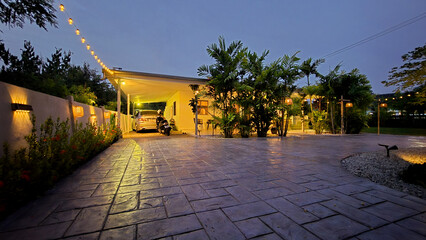
Transform Your Outdoor Spaces With Stamped and Decorative Concrete

Concrete Plano TX

Stamped concrete, also known as textured concrete or patterned concrete, is created when large rubber stamps are pressed into fresh, newly poured concrete. It can mimic the look of many types of materials, including stone, slate, cobblestone, brick and regular paving slabs.

It’s also affordable and easy to maintain when regularly sealed by a professional concrete company. Here are some ways it can transform your outdoor spaces. Visit Concrete Plano TX for more details.

Easy to Maintain

Concrete can be shaped, colored and texturized to resemble a wide variety of other materials, including stone, tile, brick, slate, wood and more. This decorative concrete technique is a popular choice for patios, driveways, sidewalks and pool decks. It can also be used to create a unique look for outdoor kitchens, fire pits and other features.

Staining and sealing are additional ways to enhance the beauty of a stamped or decorative concrete surface. Acid-based and water-based stains can add color to the concrete. For a more durable finish, the concrete can be sealed with commercial-grade sealers like Sealcem WT T or Sealcem DSV. These products offer long-lasting protection against weather, foot traffic and stains.

The best way to maintain the beauty of a decorative or stamped concrete surface is with regular cleaning and maintenance. These surfaces are very easy to clean, especially if they are regularly swept and vacuumed. For heavily soiled areas, spraying the surface with a garden hose or power washer is safe and effective. A light pressure wash can help remove dirt, debris and scuff marks from the surface of the concrete.

If a crack or fissure develops in the concrete, it is important to repair them as soon as possible. Thoroughly cleaning the area, removing any dirt and debris is the first step. Then, a concrete repair putty such as Covercem(r) Stone or Covercem(r) Monocrom in the desired color can be applied to the crack or fissure. After the putty has cured, a coat of clear Sealcem(r) WT T or Sealcem(r) DSV will protect and extend the life of the repaired concrete.

Stamped and decorative concrete is a versatile, cost-effective material that can be used to transform your home or business. Fortis Paving can help you select a design that complements the architecture and landscape of your property. Whether you want the rustic charm of cobblestone, the elegance of slate or the warmth of wood, we have the experience and expertise to help you create a beautiful, functional space. Call us today to discuss your project.

Fire Resistant

Unlike pavers that require grout to keep them in place, stamped concrete bonds with itself, making it more durable and less susceptible to cracking or shifting. It’s also a great choice for homeowners who want to reduce fire hazards around their homes. It’s easy to clean and is heat resistant, so it makes an excellent surface for outdoor kitchens and grilling areas as well as patios.

Concrete is an affordable material when compared to pavers, and it’s much easier to install and maintain. It’s also stronger and more durable than traditional asphalt, making it a smart option for driveways, sidewalks, and patios. With a little regular maintenance, it can last decades and even outlast natural stone or other materials.

When choosing a concrete company, select one with a solid reputation and extensive experience. They should guarantee their work and respond quickly to any issues that may arise. It’s important to find a contractor who pays close attention to detail and uses quality tools. This ensures that the finished product is visually appealing and functionally sound.

With its versatility and customization options, stamped concrete is a popular choice for both residential and commercial projects. Driveways: Enhance curb appeal with patterns that resemble cobblestone or slate. Patios: Create an inviting outdoor living space with textures that mimic flagstone or wood planks. Walkways and Pathways: Guide guests through your property with a polished look that is both functional and stylish. Pool Decks: Provide a luxurious feel with slip resistance for safety and style.

Stamped concrete can be colored using integral pigments, color hardeners, or surface stains. This allows you to achieve a wide range of colors and finishes, from earth tones like browns and tans to rich reds and warm hues. You can also create a two-tone effect or antiqued finish to add depth and visual interest. Once sealed, the concrete protects from moisture, stains, and UV rays, helping it retain its beauty for decades.

If you are looking to transform your home’s exterior, contact Fortis Paving to see how stamped and decorative concrete can enhance your outdoor spaces. We can help you create a custom design that blends the aesthetics of premium materials with the durability and cost-effectiveness of standard concrete. Schedule a consultation with our team in Sanger, Little Elm, Frisco, McKinney and the surrounding DFW Metroplex areas today!

Versatile

Decorative concrete, also known as stamped concrete, is an affordable way to achieve the look of premium materials like stone or brick without the associated cost. This popular home trend offers an array of design options for patios, walkways, driveways, and pool decks. Whether you are looking for rustic charm or modern sophistication, Fortis Paving can help you select a pattern and color scheme that compliments your landscape and architectural style.

The versatility of this material is one of its most appealing aspects. The concrete is poured as it normally would be, then stamped with imprints that mimic the appearance of various natural materials. This process leaves behind a durable surface that is built to last. It is a great choice for sidewalks and driveways because it can stand up to the rigor of traffic, weather, and vehicles, and it requires less maintenance than other types of paving materials.

Unlike natural stones and pavers, which must be individually placed to create a specific look, stamped concrete can be applied in a uniform manner to achieve a seamless appearance. It can be poured in large areas to cover expansive surfaces like patios and driveways, making it a cost-effective option for these spaces. Once installed, it can be finished with a layer of sealant to protect the concrete from moisture and UV rays.

New advancements in stamping technology allow for more detailed replications of natural materials. For example, you can choose a texture that emulates ashlar slate, cobblestone, or wood planks. These designs are perfect for patios, walkways, and pool decks, as they offer a timeless elegance that blends with the surrounding nature.

Stamped concrete can also be used to create a unique aesthetic for entrance walkways, highlighting key features of your landscaping. It can also be used to enhance the appearance of a backyard entertainment area by incorporating a stamp that emulates fractured earth or real stone. Moreover, it can be used to improve the look of a commercial space like a courtyard or plaza.

The versatility of this material makes it a popular choice for patios, walkways, driveways, pool decks, and commercial spaces. It is easy to maintain and can be resealed when necessary. Regular cleaning and resealing will keep the concrete protected from moisture, stains, and UV rays, prolonging its beauty.

Affordable

Decorative concrete is less expensive than pavers and offers the same visual appeal, durability, and strength. It can be used for a wide range of outdoor spaces including patios, driveways, pool decks, and walkways. The design options are limitless and only limited by your imagination. With stamped and decorative concrete, homeowners can transform their property into something unique and luxurious.

Unlike pavers, which must be laid and grouted individually, stamped concrete is poured as a single slab. This results in fewer joints, easier snow removal, and a more durable surface overall. In addition, stamped concrete can be colored and sealed to create the appearance of high-end materials like stone, brick, wood, or tile. This process can be done on new or existing concrete.

Resurfacing is a popular way to upgrade existing concrete surfaces without the cost of a full replacement. It is typically applied to areas that are not severely cracked or deteriorated and can be stained, stamped, or polished to resemble tile, stone, or even hardwood. Resurfacing products include low-VOC coatings and water-based stains that are safe for indoor air quality.

Stamped concrete is installed during a new concrete pour by pressing rubber molds into the wet concrete to create the desired pattern. It is then colored with dry shakes, color hardeners, powder or liquid releases, integral colors, or acid stains. The result is a highly customizable and versatile material that can be used as flooring, sidewalks, patios, commercial roads and parking lots, and interior floors.

Over time, decorative concrete can begin to fade and lose its original color. If this happens, it is important to re-color the surface as soon as possible. Re-coloring will help to prevent permanent damage and extend the lifespan of the concrete.

While many people think of concrete as a bland, gray material, it can actually be very visually appealing when it is treated with the right colors and finishes. Decorative concrete is a great way to add value and appeal to your home, and with so many design options available, it can be a perfect fit for any exterior or interior space.
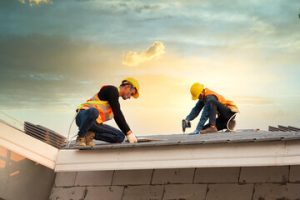
Shelter Above All: The New Era of Roofing Mastery

The roof is more than a shield above our heads. It is a vital part of a structure’s identity and strength. Without a reliable roof, the comfort and safety inside are always at risk. That’s why understanding roofing goes beyond simple construction.

Roofing

Roofing has evolved far beyond just laying tiles or sheets. It has become a precise science of balance, durability, and innovation. Modern approaches focus on blending strength with sustainability. And every decision, from material to design, now shapes how buildings live and breathe. Contact Cedar Park Roofing Pro for professional help.

The role of a roof starts long before construction begins. Planning its structure requires assessing climate, weight tolerance, and long-term exposure. What used to be guesswork is now guided by research and engineering. This ensures the final result performs under pressure and lasts for decades.

Materials remain at the heart of roofing decisions. Each type offers different benefits and challenges, influencing cost, resilience, and aesthetics. The choice is not just about covering space but enhancing the building’s character. A good roof complements the architecture while serving as its ultimate defense.

Today’s roofing systems are also built for energy intelligence. They can reflect heat, insulate interiors, and support environmental goals. This is crucial as energy costs rise and ecological awareness grows. A well-designed roof reduces dependency on artificial cooling and heating, saving money over time.

Technological progress has deeply transformed roofing techniques. Precision tools and advanced modeling ensure every component fits perfectly. Digital simulations predict how roofs behave under stress before they are even built. These innovations reduce errors, cut waste, and extend structural life.

Roofing is no longer a one-size-fits-all solution. Custom designs adapt to specific site conditions, building purposes, and user needs. Whether it’s a lightweight structure or a heavy-duty installation, flexibility defines modern roofing. This tailored approach ensures efficiency from the ground up.

Durability remains a non-negotiable factor in any roofing project. A strong roof must resist wind, rain, snow, and heat without compromising integrity. Testing standards have grown stricter to guarantee that resilience. Every layer, joint, and seal is now evaluated for maximum performance.

The relationship between roofing and safety is undeniable. A failing roof can endanger lives and property. That’s why safety regulations have become more detailed and enforced. These standards ensure that each project prioritizes protection above all else.

Sustainability has also shaped how roofing is planned and built. Eco-friendly materials and recycling practices are no longer trends but expectations. Green roofing systems, designed to support vegetation or harvest water, are gaining attention. These solutions reduce environmental impact while adding functional value.

Maintenance is another critical chapter in the roofing story. Even the most advanced systems require regular care to stay reliable. Inspections, cleaning, and minor repairs extend a roof’s life and prevent costly issues. This proactive approach transforms maintenance from an expense into an investment.

Roofing also plays a significant role in property value. A well-maintained, aesthetically pleasing roof increases appeal and resale potential. Buyers often see the condition of the roof as a reflection of overall property care. In this way, roofing influences not just structure but perception.

Climate challenges have forced roofing design to adapt in new ways. In regions prone to heavy rainfall or storms, drainage systems and sealing methods are now more sophisticated. In hotter climates, reflective coatings and ventilated spaces are prioritized. Each solution reflects a response to environmental demands.

Installation methods have become faster and more efficient. Prefabricated components, modular designs, and innovative fastening systems reduce time on-site. These techniques lower labor costs and minimize disruptions during construction. Yet, speed never compromises quality—precision remains the final measure.

The relationship between roofing and interior comfort is often underestimated. Temperature regulation, moisture control, and noise reduction all start above the ceiling. The right roofing choices create stable indoor environments year-round. This improves quality of life and reduces reliance on mechanical systems.

In urban development, roofing plays an expanding role in city planning. Rooftop spaces are being transformed into gardens, recreation areas, and energy hubs. These multifunctional uses turn roofs into valuable real estate. It’s a shift from passive protection to active contribution.

Innovation also extends to roofing accessories and smart systems. Sensors can now detect leaks, monitor humidity, and alert owners to potential problems. These intelligent features prevent minor issues from becoming major failures. Technology has made roofing more proactive than reactive.

The collaboration between designers, engineers, and builders is more important than ever. Roofing is no longer just a trade but a multidisciplinary craft. Each project demands coordination to ensure structure, style, and function align perfectly. This teamwork elevates the quality and reliability of the final outcome.

Education and training have also advanced within the roofing industry. Skilled professionals must understand new materials, techniques, and safety standards. Continuous learning ensures quality workmanship and innovation. A knowledgeable workforce is the backbone of the industry’s progress.

Weather unpredictability has highlighted the need for adaptable roofing systems. Materials that can expand and contract without damage are now preferred. Structures are designed to handle fluctuating conditions without losing efficiency. Flexibility is now a crucial measure of durability.

The financial aspect of roofing requires careful consideration. Initial costs are just one part of the equation. Long-term savings from durability, insulation, and low maintenance often outweigh upfront expenses. A strategic investment in roofing pays off over decades.

The aesthetic dimension of roofing is also evolving. Roofs are now integral to architectural expression, not just functional layers. Creative shapes, colors, and finishes contribute to a building’s identity. They help structures stand out while still performing their protective role.

Community and environmental regulations shape roofing choices too. Builders must adhere to codes that prioritize safety, sustainability, and design harmony. Compliance is not just a legal requirement but a mark of responsibility. It reflects a commitment to both occupants and the environment.

As urban density increases, vertical expansion becomes more common. Roofing systems must adapt to higher structures and new load demands. This has led to specialized solutions for tall buildings and complex geometries. Engineering precision ensures these roofs remain secure at greater heights.

The future of roofing will likely integrate even more renewable energy solutions. Rooftops are ideal spaces for capturing solar power or supporting new energy technologies. This dual-purpose design adds value while promoting sustainability. It redefines the roof as both shield and power source.

Global challenges such as climate change and resource scarcity will continue shaping roofing innovation. Materials will become lighter, stronger, and more recyclable. Designs will focus on energy efficiency and resilience under extreme conditions. The industry is preparing for a future where performance and responsibility are inseparable.

Client expectations are also evolving rapidly. People now demand roofing solutions that are both visually appealing and environmentally conscious. This shift has pushed the industry to innovate beyond traditional boundaries. The result is a growing range of high-performance options.

The process of roofing inspection and certification has become more rigorous. Specialized professionals assess quality at every stage to ensure compliance. These checks protect owners from structural failures and hidden defects. Transparency and accountability build trust in every project.

Collaboration with environmental scientists and engineers is becoming common. This ensures roofing designs align with larger sustainability goals. It also creates opportunities for groundbreaking research and development. Such partnerships push the industry toward smarter, greener solutions.

The cultural meaning of roofing is often overlooked but deeply significant. A roof symbolizes security, stability, and belonging. It is the final layer that transforms a structure into a home or a business. That symbolism underscores the importance of getting it right.

Looking forward, the roofing landscape is poised for continuous evolution. Emerging materials, digital tools, and smarter systems will reshape how roofs are designed and maintained. The next generation of roofing will combine performance, aesthetics, and intelligence seamlessly. It will redefine what we expect from the shelter above us.

Roofing has come a long way from its primitive beginnings. It now represents a fusion of art, science, and engineering. Each innovation reflects a commitment to better, safer, and more sustainable living. And as long as we seek shelter, the roof will remain one of humanity’s greatest achievements.

In the end, roofing is not just about protection. It is about creating a legacy of strength and comfort that stands the test of time. It connects human ambition with natural challenges, shaping the spaces where life unfolds. The mastery of roofing is, and will always be, a story of progress written above our heads.