Choosing a Roofing Company

When it comes to entrusting the safety of your family and home with a contractor, you want to ensure that they are licensed, insured, and reputable. Unfortunately, unscrupulous operators abound, especially after major storms.

Thankfully, you can avoid them by researching online reviews and local references. Also, make sure you get a detailed written estimate that covers labor costs, materials, permits, and any contingencies. Contact Bears Valley Roofing Company for professional help.

Quality Workmanship

Roofing

When it comes to your roof, you want to work with a contractor that provides quality workmanship. This includes ensuring that all aspects of the installation or repair process are completed properly, from beginning to end. This attention to detail helps ensure that the final product meets or exceeds industry standards and can withstand Pittsburgh’s varying weather conditions year-round.

Another way to evaluate a roofing contractor’s quality of work is by looking at the customer reviews they have posted online. This can give you an idea of what other people have experienced with the company and how they handle any issues that might arise during or after the project.

You should also consider the longevity of a roofing contractor’s business and their track record of satisfaction. A long history of satisfied customers is a good indication that the contractor is reliable and will be around to honor warranties and provide ongoing service.

A quality roofing company will have a solid local presence and a strong reputation within the community. They will be familiar with local building codes and weather patterns, allowing them to offer a more personalized service and better meet your needs.

In addition, a reputable roofing contractor will have liability insurance and workers’ compensation coverage. This will protect you in the event of damage or injury during the project, as well as any other unforeseen expenses that may arise.

Finally, you should always ask a contractor for proof of their insurance before hiring them for any work. This will help ensure that they are licensed and insured, and can comply with all state and local laws. You should also check with the Better Business Bureau (BBB) to see if they have any complaints filed against them.

Overall, choosing the right roofing contractor is an important decision that will have a significant impact on your home’s safety, energy efficiency, and market value. To make the best choice, be sure to take the time to review several companies and assess their customer service, work ethic, and quality of workmanship. By doing this, you can rest assured that you are getting the best value for your money and a roof that will last a lifetime!

Transparency

When hiring a roofing contractor, it is important to make sure that they are providing you with complete transparency and clarity regarding their services. This will ensure that you are aware of any potential additional costs, and can compare quotes from different contractors to find the best deal. A transparent quote should include a detailed description of the work, as well as clear timelines and payment terms. It should also specify the types of materials used, and provide a breakdown of labour costs.

A thorough roofing scope of work can help to eliminate any misunderstandings and reduce project delays. A comprehensive document can also serve as legal protection should any disputes arise. It can also facilitate efficient project management, allowing contractors to allocate resources and manpower more effectively. Using CRM software, roofing contractors can easily customize roofing scope of work documents to suit individual customer requirements. This can save time and money, and enhance the professionalism of the sales process.

Transparent roofing sheets can enhance the aesthetics of a building or space by incorporating natural light into the design. It is vital that you choose high-quality transparent roofing sheets to ensure long-term durability and functionality. The material must also be resistant to weather conditions, such as heavy rains and snow reins. It should also be heat-resistant, and should fit with other architectural elements to achieve a cohesive look. Choosing the right materials will help to minimize maintenance, repair, and replacement costs.

Moreover, it is important to look for roofing contractors with a good reputation. Checking a contractor’s rating on platforms like the Better Business Bureau can help to identify any underlying issues. You can also read reviews to gain insight into a contractor’s performance and ethics.

A transparent roof is a great way to maximize the natural sunlight in your home, while still maintaining privacy. However, it is important to consider the impact on your privacy as well as your lifestyle and financial situation. You can also use solutions like frosted or tinted glass to reduce the level of visibility.

Warranty

The decision to invest in a new roof is an important one. You want to be sure that your investment is protected, and a roofing warranty can help.

When selecting a roofing company, be sure to review the manufacturer and workmanship warranties carefully to understand what is covered and what isn’t. A reputable roofing company will be happy to clarify any unclear terms. Also, be sure to keep a copy of your warranty document in a safe place for future reference.

A Roofing Warranty is an agreement between the manufacturer and a roofing contractor to protect the roof against defects and problems. Typically, this type of warranty covers material and labor costs associated with the repair or replacement of damaged parts.

However, a warranty is not a substitute for homeowner’s insurance. In fact, homeowner’s insurance usually provides more comprehensive coverage than a roofing warranty. In addition, a standard manufacturer warranty is generally prorated and does not provide full coverage after the first few years of installation.

Leaks caused by natural wear and tear are not typically covered by a warranty, as they are considered to be the result of normal aging or weathering. Additionally, a manufacturer’s warranty may not cover damage caused by the use of non-approved materials or accessories.

Moreover, even when the best materials are used, a leaky roof can be caused by improper installation or construction techniques. As a result, it is critical for roofers to follow the manufacturer’s guidelines and install the roof correctly. Failure to do so may void the manufacturer’s warranty.

For this reason, many manufacturers offer longer roofing warranties when they are installed by a reputable roofing contractor that is certified to work with their products. By offering a warranty, roofing companies can build customer loyalty and confidence in their work, as well as set themselves apart from the competition. The challenge of offering a warranty is not without its obstacles, but with a strong commitment to quality and transparency, it can be an excellent way for roofing companies to increase sales. For more information on how a roofing company can offer you an exceptional warranty, please contact us.
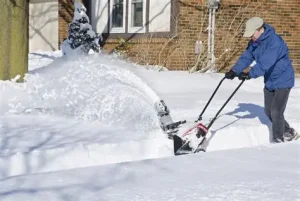
Quiet Winters and the Rise of Smart Roof Snow Removal

Snow may look peaceful on a rooftop. But it hides risks that grow with every flake. The weight can shift, melt unevenly, and freeze again, stressing every layer beneath. Roof Snow Removal Helena is evolving fast, turning from a basic chore into a field shaped by data, sensors, and safety science.

Snow Removal

Recent winters have triggered a new kind of attention to rooftops. People are realizing that snow is not just frozen water but a variable material that behaves differently based on temperature and air density. That complexity has inspired smarter techniques for keeping roofs safe without damaging materials. It is no longer about force but precision, and that shift defines modern snow removal.

A new wave of technology now predicts when and where accumulation poses danger. These systems read temperature gradients, moisture levels, and roof angles to anticipate trouble before it forms. Instead of climbing a ladder to see the buildup, the process begins digitally, turning observation into prevention. This is changing how property owners think about maintenance in cold climates.

Traditional snow shoveling relied on timing and strength. But the new model relies on balance and knowledge of roof structures. Some snow must stay to provide insulation, while too much creates heavy loads. The science lies in calculating that balance without weakening shingles or panels. This small difference transforms the whole approach to winter care.

Experts are now studying snow compaction, not just accumulation. As snow layers compress, their weight multiplies beyond what their volume suggests. By identifying density early, systems can decide whether to remove snow or let it settle naturally. This idea reshapes how removal schedules are created and helps reduce unnecessary work.

Environmental factors have also become part of the equation. The type of snow—dry, wet, or mixed—changes everything. Wet snow sticks more firmly, while powder snow slides off easily. Understanding this texture allows workers to choose tools that minimize scratching or puncturing the surface. Precision has become more important than speed.

Modern designs integrate heating cables beneath rooflines to prevent ice dams. But newer versions use self-regulating circuits that adapt to the outside temperature. They heat only when necessary, cutting energy waste while maintaining a consistent melt pattern. This balance between efficiency and safety represents the future of snow management.

Smart coatings are another growing solution. These treatments reduce snow adhesion, helping it slide off gradually without intervention. They also reflect sunlight, encouraging natural melting when the temperature rises. This passive approach saves time and resources, emphasizing sustainability over constant physical removal.

Automation is not replacing human oversight, though. It enhances it. Drones now survey rooftops to estimate snow volume and detect hidden damage caused by freeze-thaw cycles. The data they collect supports quicker and safer decisions. This kind of aerial analysis turns routine maintenance into a predictive system.

The labor aspect has also evolved. Instead of teams working for hours with shovels, training now focuses on surface understanding and pressure distribution. Workers are taught how to move snow in layers rather than chunks. This prevents sudden shifts that could destabilize the roof. The skill set has become more specialized and technical.

One growing innovation involves ultrasonic sensors that detect hidden ice under the snow. These devices warn before the ice becomes heavy enough to block drainage. They are compact, wireless, and powered by small solar panels. With these tools, prevention replaces reaction.

Another emerging trend is the integration of remote weather analytics into snow management plans. Systems now connect roof data with live forecasts, predicting accumulation rates and suggesting exact removal times. This synchronization means no wasted effort and fewer emergency calls during storms. It keeps roofs safer while saving costs.

For older structures, reinforcement strategies are being paired with smart removal. Lightweight support grids distribute the stress of snow evenly, reducing pressure on vulnerable points. Combined with timely removal, they extend the lifespan of roofs exposed to repetitive winters. It’s a blend of old architecture and new engineering.

The concept of eco-removal is also gaining ground. Instead of using chemicals or salt that corrode surfaces, more projects now rely on warm air systems and steam bursts. These methods clear snow gently, preserving the roof’s protective layers. It’s a small but meaningful change toward greener maintenance.

Psychologically, roof snow removal has become part of safety awareness. People no longer see it as optional but essential for protecting lives and properties. The cultural mindset has shifted toward prevention and mindfulness. That awareness fuels innovation, pushing companies to design even smarter solutions.

Artificial intelligence is beginning to play a deeper role in forecasting roof behavior. Machine learning models can now recognize patterns in how snow accumulates depending on wind direction and building design. Over time, these systems adjust their predictions for each specific roof. This makes every winter safer and more predictable.

Sustainability continues to influence every decision. Many new approaches aim to minimize waste and carbon footprint during removal. Recycled materials are used for tools, while equipment operates with electric power instead of fuel. The environmental cost of maintenance is shrinking, marking progress toward climate-conscious construction.

Some architects are now designing roofs with built-in snow channels. These subtle contours guide snow away from critical zones and prevent uneven loading. The architecture itself becomes part of the snow management plan. This integration of design and function shows how the field is becoming multidisciplinary.

Thermal mapping has introduced another layer of accuracy. Infrared sensors reveal cold and warm zones across the surface. These maps guide workers to focus only where melting is irregular, avoiding unnecessary effort. The result is faster work with less strain and fewer risks.

Education has followed this evolution. Training programs now include modules on snow physics, roof material science, and energy efficiency. Certification in roof snow management is becoming recognized as a professional specialization. This legitimizes the field and ensures that safety standards remain consistent.

Insurance models have also started to adapt. Predictive data from smart systems can now reduce premiums for properties that maintain safe snow levels. This rewards proactive management rather than penalizing reactive cleanups. It creates an economic reason to invest in smarter snow control technology.

For many, automation has removed the fear associated with heavy snowfall. Knowing that systems monitor load, temperature, and ice formation in real time brings peace of mind. It allows people to focus on other tasks without constantly worrying about structural risks. The emotional comfort of safety is now part of the value.

In rural areas, community-driven snow management programs are emerging. Groups share resources and coordinate removal schedules based on shared data. This collaborative approach reduces costs and improves safety for everyone involved. It’s a social innovation built on modern technology.

Even aesthetics have entered the conversation. Architects are experimenting with snow-friendly materials that maintain visual appeal year-round. Some roofs are designed to shimmer as snow melts in patterns, combining function with artistry. The intersection of design and practicality continues to grow richer.

Energy capture from melting snow is another emerging idea. Systems that convert the runoff into stored heat for later use are in early stages. This turns a seasonal problem into a renewable resource. It may soon redefine how buildings interact with their environment during winter.

Human comfort remains the ultimate goal. Whether through smart heat regulation or reliable load reduction, these methods protect more than structures. They protect lives, routines, and confidence during severe weather. Roof snow removal has evolved into a discipline that blends care with innovation.

The quiet hum of sensors under the snow now signals a safer season. It means danger is being watched, measured, and managed invisibly. Every signal, every adjustment, and every bit of data reflects the growing intelligence of modern systems. Roofs are no longer passive victims of winter—they are active participants in their own protection.

As new winters come, the cycle of snow and melt will continue. But with technology, insight, and design converging, the response will never be the same again. The roof above will not only shield from the cold but also think, adapt, and endure. In this age of quiet innovation, even snow becomes part of a smarter world.