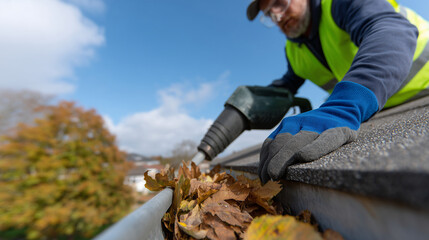
Gutter cleaning is an important home maintenance task that prevents costly water damage and pest infestation. But should you roll up your sleeves and tackle the job yourself, or hire a professional?
DIY gutter cleaning seems like an inexpensive option, but hidden costs add up quickly. Safety and precision are major concerns. Ladder-related injuries send thousands of people to the hospital every year, and many of these accidents occur during routine maintenance tasks like gutter cleaning. Visit https://www.gutterscoloradospringspro.com/ for more details.
Safety
Gutters play a vital role in protecting your property from water damage. They need to be cleaned regularly to prevent blockages, maintain roof integrity, and ensure adequate drainage. However, cleaning gutters involves working at heights and using ladders, which carry inherent safety risks. Ladder accidents are a common cause of home injuries, and falls from gutters can be fatal. Professional cleaners undergo training in ladder safety and use specialized equipment like stabilizers and harnesses to minimize risk while working at heights.
Additionally, homeowners who attempt DIY gutter cleaning may be unable to get their gutters completely clean due to lack of the right tools and inability to reach hard-to-reach places. Clogged and standing water in gutters is also a breeding ground for pests like mosquitoes, flies, and rodents, which can infest your home. Regular gutter cleaning prevents these infestations by removing the water and debris that attract pests.
Another benefit of hiring professional gutter cleaners is their ability to identify signs of damage or wear that may otherwise go unnoticed. This can save you money on costly repairs or replacements down the road, and help you establish a proper maintenance schedule for your gutter system.
Gutter cleaning can be a physically demanding job, and the time investment is considerable. Hiring professional cleaners allows you to save your energy and attention for other tasks while ensuring that the work is done well and safely.
Overall, the safety, expertise, thoroughness, and value of professional gutter cleaning services often exceeds that of DIY approaches. The cost of professional services is justified by the reduced risk of injury, costly property damage, and recurring problems, while the convenience, peace of mind, and long-term value of established relationships with local pressure washing companies provides additional value beyond individual service appointments.
Expertise
Clogged gutters create ideal habitats for pests, standing water, and mildew. These problems can damage the exterior of a home, weaken foundations, ruin landscaping, and cause other costly repairs. Regular cleaning and maintenance reduces these risks and protects property value.
Ladder-related injuries send 164,000 people to emergency rooms each year, with many of these cases occurring during routine home maintenance tasks like gutter cleaning. The combination of wet conditions, awkward positioning, and fatigue increases the risk of falls and serious injuries. Gutter cleaning professionals have the experience and equipment to safely reach and clean high-access areas, avoiding these hazards.
Gutter debris can contain dangerous materials, including wood slivers, rodent droppings, and rusty nails. Professionals use specialized tools to remove these items and dispose of them properly, minimizing the risk of falling debris and preventing further damage to the gutter system.
In addition to the safety benefits of professional cleaning, experienced service providers can spot potential issues that require inspection or repair. Visible sagging in gutter sections, for example, indicates structural issues that need immediate attention. Similarly, water staining on the fascia or walls below gutters suggests ongoing drainage problems.
A well-established gutter maintenance program can help reduce long-term costs by preventing major damage, such as foundation cracks, basement flooding, and roof leaks. It can also reduce the need for costly repair and replacement. Gutter maintenance programs can be tailored to suit the specific needs of each property, depending on the amount of tree coverage and whether the home is in an urban or rural environment.
Experts recommend scheduling gutter cleaning twice a year. The exact timing depends on weather and the size and location of the property, with more frequent services necessary for homes in remote locations with heavy tree cover or large amounts of debris. In addition to ensuring that the gutter system is free from obstructions, professional cleaners can check for signs of a potential problem that may need to be addressed, such as moss or plant growth. They can also provide recommendations for ongoing maintenance, such as the installation of gutter guards to prevent blockages.
Efficiency
Professional gutter cleaners use specialized equipment that’s designed for safety and efficiency. Stabilized ladder systems and power cleaning tools allow them to clean more quickly and thoroughly than DIY homeowners could manage on their own.
Ladder-related accidents send 164,000 Americans to the emergency room each year, and many of these incidents occur during home maintenance tasks like gutter cleaning. A combination of wet conditions, awkward positioning, and fatigue creates a recipe for disaster. Hiring a pro eliminates this risk, leaving you with more time to relax or tackle other home maintenance projects.
Aside from the obvious safety concerns, clogged gutters can cause serious damage to your house over time. Standing water provides ideal breeding conditions for mosquitoes and other pests, while damp debris encourages mold growth and negatively impacts air quality in your home. Regular gutter cleaning helps prevent these problems and saves you thousands in repairs over the years.
In addition to preventing these issues, routine gutter inspections can spot potential structural problems before they become major concerns. Professionals identify loose fasteners, sagging gutters, and developing leaks that untrained eyes may miss. Performing these inspections in spring and fall, or as often as you have overhanging trees, reduces your risk of costly repair bills down the road.
While it’s possible to clean gutters on your own, it’s important to follow basic safety guidelines to ensure your safety and the success of the task. It’s recommended to wear a pair of work gloves when cleaning your gutters, and to wear a harness and lanyard if using a ladder. Also, it’s best to only climb a roof in dry weather.
It’s also a good idea to clean gutters early in the day, before it gets too warm. Finally, always make sure you’re using a safe ladder that’s stable and well-positioned on the building. A four-legged step ladder is a good choice for single-story buildings, while an extension ladder is a better option for two-story structures. It’s also a good idea to bring a bucket or bin to catch debris, and a tool bag to store and carry your gear.
Value
Gutters may seem like a minor part of your home, but they’re vital in keeping water away from foundation cracks, basement leaks, and structural damage. Clogged gutters cause water to overflow or pool, which can lead to weakened foundations and sagging walls. A professional can address these problems before they become more serious, saving you money in repairs and maintenance.
During routine gutter cleaning, professionals can also spot potential issues that could require more in-depth work and repair. These experts can check for faulty gutters, misaligned downspouts, and other problems that can save you thousands of dollars in future repairs. Depending on the size of your home and gutters, professional cleaning can take anywhere from one to three hours. This efficiency stems from specialized equipment, experienced crews, and efficient procedures.
Another benefit of hiring a professional gutter cleaner is that they can do it more safely than homeowners. Ladder-related injuries send more than 164,000 Americans to the emergency room annually, and most of these accidents occur during routine home maintenance tasks. Professional services invest in safety equipment, such as stabilized ladder systems, that significantly reduce accident risks. They also have the training and experience to handle unexpected hazards, such as electrical problems or wildlife encounters.
Standing water in clogged gutters is a breeding ground for mosquitoes, flies, and other pests that can lead to infestations throughout the house. Regular cleaning prevents these pests from taking up residence in your home and protects the integrity of your gutters.
Whether you’re a homeowner or a landlord, gutter cleaning is essential for preserving your property. While many homeowners take on this task on their own, it’s important to understand the benefits of professional cleaning and maintenance. This information can help you make an informed decision about who is responsible for gutter maintenance, and it can improve communication with contractors when discussing your needs. In addition, understanding the terminology used by professional gutter cleaning specialists can streamline the process and prevent confusion. For example, knowing the difference between a “cleanout” and a “maintenance cleanout” can help you understand the terms that your gutter cleaner uses.