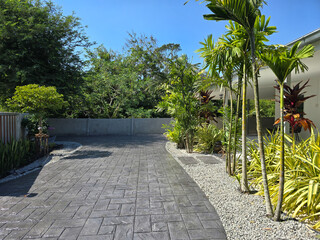
Stamped concrete is an intermediate-level project that’s manageable for a determined DIYer, but it does require attention to detail and good timing. The window of time in which to stamp is limited, and mistakes cannot be easily undone. It’s best to diagram the stamp layout and have enough labor on hand before beginning. Using a product like Brickform’s DAY1 to extend workability will also help ensure that the concrete is stamped while it’s still workable.
Preparation
Stamped Concrete Denver is a durable, attractive, affordable and low-maintenance flooring option. It has the added benefit of being slip resistant, which is particularly important in areas with high foot traffic.
Unlike poured concrete, which is a solid mass, stamped concrete can be made with an infinite number of patterns and colors. Often homeowners get their inspiration from tile, stone or textured concrete elements in the surrounding landscape or home’s architectural style. It’s a great choice for patios, pool decks, driveways and garages.
Before beginning the actual stamped concrete process, the contractor must prep the area. This involves cleaning the concrete slab and removing any existing coatings. It’s a good idea to apply a concrete bonding agent to the surface to help ensure a strong, long-lasting bond.
Once the concrete is clean, the concrete stamping tools are applied to the concrete. It’s important that the contractors carefully diagram the stamp layout before starting, as well as have enough manpower to execute the plan. This is a time-sensitive project, as the window of opportunity to stamp the concrete before it hardens is quite small.
It’s also a good idea to have enough color stain on hand, as this can be used to highlight or accent specific elements in the final design. The color can be added to the concrete during mixing or by using a color hardener. It’s a good idea to do a test run before applying the color to see how it looks and what the outcome will be. It’s also a good idea to apply a concrete sealer to the finished project. A sealer will enrich the color, add a sheen (ranging from satin to high-gloss), reduce the risk of efflorescence discoloration and block penetration from dirt, chemicals, leaves and other debris.
Pouring
Concrete is a solid, functional material that can be used to build patios, pool decks, driveways and walkways. However, it can sometimes feel a bit industrial or uninspired. With a little creativity and technical innovation, homeowners can create stamped concrete that resembles the look of stone, brick or wood to add warmth, charm and sophistication to their homes.
While the pouring process may seem simple enough, stamping concrete is a project that requires some planning and coordination to get it right. For example, the window of opportunity in which to stamp the concrete is typically short, especially in warm weather. It’s important that the layout for the stamp pattern is diagrammed out ahead of time and that there are enough workers on hand to keep pace with the work.
Using a release agent is also key to achieving the best results from your concrete stamping project. A liquid release works similar to a no-stick cooking spray and is applied just before stamping. It helps prevent rubber stamps from sticking to the concrete once it is poured, resulting in a cleaner, more realistic texture.
Color hardener is another important component in the concrete stamping process. It isn’t necessary if you’re working with integrally colored concrete, but it’s a great way to enhance the final appearance of your concrete and make it even more durable. When using color hardener, it’s important to follow the manufacturer’s recommended coverage rate for the specific product you’re using. This helps ensure that the color is distributed evenly throughout the entire surface of your concrete slab.
Laying Out the Stamps
Stamped concrete can imitate the appearance of fractured earth, real stone or wood for a unique aesthetic that enhances backyard landscaping. It also adds curb appeal to a house and may increase its resale value.
A concrete specialist can prepare the site, pour the concrete and use a special tool to stamp patterns into it. However, the installation process of stamped concrete isn’t DIY-friendly, Hutchinson says, as mistakes are difficult to fix and could damage the surface once it hardens.
Professionals can help homeowners decide on a design for their patios, driveways or pool decking by presenting a variety of samples. They’ll also help determine how much concrete the project requires and if it needs reinforcement, such as steel mesh.
Before stamping, the concrete is dampened and cleaned. Next, a concrete release agent is applied to the surface of the concrete. Whether it’s powdered or liquid, the product prevents stains, sealers and secondary colors from bonding to the concrete surface. Liquid color release is usually easier to use because it’s spray-on and doesn’t require precise pattern alignment.
Concrete stamps are flexible tools made of durable polyurethane that come in sets to ensure consistent results. They can be placed and moved quickly with a rail system to ensure even coverage over the entire area of the concrete surface. Professionals should always follow instructions for using the tool and be careful not to over-emphasize a part of the stamp result by walking too hard or in a specific direction.
After the concrete is stamped, control joints are cut into the surface at regular intervals, about every six feet. Then, a de-icing salt application can be applied to protect the concrete from winter weather conditions. Cleaning and resealing every two to three years will keep the concrete looking new.
Tamping
Stamped concrete is not as flexible or as easy to shape as poured concrete, so it’s not the best choice for curved surfaces. However, if the design is straight and simple, it’s an affordable option for patios, pool decks, driveways and walkways. It’s also more cost-effective than paving materials like natural stone, brick and pavers, and it offers the added benefit of being able to be customized.
A basic stamped design with one color and pattern runs $8 to $12 per square foot, while mid-range jobs with borders or contrasting patterns can run up to $18 per square foot. High-end custom projects can cost even more.
Once the stamped concrete has dried, a sealer is applied to protect the surface from stains and other damage. Most contractors use a high-quality product such as Butterfield Color Cure & Seal or Sealem WT T. Unlike concrete that’s not stamped, these sealers can be pigmented for a more vivid finish.
It’s not DIY-friendly
Although the installation process for stamped concrete is relatively simple, it requires expertise and specialized tools to get the job done right. It’s not a good idea to attempt to do it yourself, as mistakes could be costly to correct once the concrete sets.
A professional contractor will have access to better equipment and training, making them a wiser investment. In addition, they will be able to save you time by getting the job done more quickly than you would if you tried to do it yourself. A professional will also be able to help you select the right colors and patterns for your project, ensuring that it meets your aesthetic preferences and reflects your home’s architecture.
Sealing
When concrete is stamped, it must be sealed to protect it from stains, weathering and the wear and tear of traffic. A high-quality sealer, like Covercem Stone or Covercem Monocrom, can help a stamped surface last for decades. It is important that the new concrete be thoroughly cleaned and free of contaminants before sealing. A light etch, using a product such as E-Etch, can also help open up the pores of the concrete so that the sealer has a better bond.
Color changes in stamped concrete are common, but can be minimized by periodic cleaning and resealing. It is important to use the same procedures for resealing as were used to apply the initial coat of sealer. If a stamped surface will be exposed to harsh chemicals, de-icing salts or automobile traffic, it may need to be resealed more frequently than a non-exposed surface.
A final note on stamped concrete: If it is to be used in a pedestrian-heavy area, a heavier texture or the addition of non-skid additives may be required for safety. Consult with your contractor to see if any slip resistance enhancement is needed.
To ensure that the concrete stamp textures are evenly distributed, it is important to maintain consistent pressure when tamping. Be careful not to walk across the skins on the balls of your feet, or tamp too hard along the edges of the overlapping skins. This can over-emphasize one part of the stamp result, and make the finish look blotchy or sloppy. Once the skins have been tamped, carefully peel back an edge to check for consistency. If all looks good, the skins can be removed from the concrete and set aside for future use.