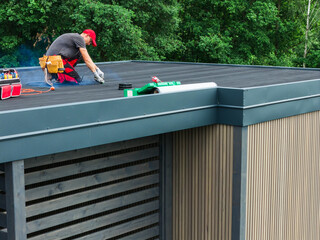
Flat roofs are prone to structural damage and leaks, which require prompt attention to preserve the integrity of the building structure. The key is regular inspections, which allow you to catch issues before they deteriorate.
Before beginning a flat roof repair project, you must prepare by gathering all necessary tools and materials, prioritizing safety, and clearing the area of debris. Next, identify the location of leaks or cracks and mark them accurately. Visit Website for more details.
Inspect the Roof
The first step in any flat roof repair process is to carefully inspect the entire surface. This will help to pinpoint problem areas that need repair and can provide a visual reference for the next steps. It’s important to pay special attention to areas around roof penetrations like vents, chimneys, and skylights, as these are frequent sources of leaks and water damage. In some cases, this can require removing the aggregate in these areas for an in-depth inspection. This step may be best left to professionals who can offer thorough assessments and utilize specialized diagnostic tools.
A professional flat roofer can identify and address any signs of leaks, cracks or other issues before they cause significant water damage. It’s important to catch these problems early, as the costs associated with repairing them can increase exponentially if allowed to progress. In addition to the initial repair cost, there are hidden costs such as structural deterioration, lower energy efficiency, and health risks associated with mold and rot.
In many instances, a quick fix will be enough to restore the integrity of a flat roof. However, it’s also important to have a plan in place for addressing more serious issues in the future. This could include a complete tear-off and replacement, which can be a less expensive and more practical alternative than continuing to repair leaks.
A comprehensive maintenance program should include inspections by a flat roof professional at least twice per year, in the spring and autumn. This will help to clear the roof of leaves, debris, and other material that can impede drainage and lead to degradation. In addition, it’s a good idea to arrange for a full roof inspection after severe weather events.
Mark the Location of Leaks and Cracks
Flat roofs can be susceptible to a wide range of issues that lead to leaks. Whether due to weather damage, material wear, or incorrect installation, it’s important to identify and address these problems before they lead to water ingress and interior water damage. Regular inspections and prompt repair help ensure your flat roof has a lifespan that protects your building and property.
Once you’ve identified a leak or area of concern, it’s helpful to mark the location using chalk, spray paint, or another marking method. This will make it easier to find the leak when the time comes to perform repairs. It’s also a good idea to take photos of the damaged areas and any signs of moisture or mold that can aid in the repair process.
Next, it’s necessary to clean the affected area. This will remove debris and dirt that can contribute to further wear on the roofing materials, as well as preventing proper drainage. A thorough cleaning will also help you locate the leak and cracks. It’s important to pay special attention to corners, gutters, and areas prone to debris accumulation.
Lastly, inspect the roof for low spots that accumulate water after rainfall. These can strain the roof membrane and allow water to penetrate the structure, leading to a loss of structural integrity. Addressing these problem areas promptly helps prevent water damage and a costly flat roof replacement.
If you suspect your roof is leaking, it’s always best to contact the roofing professionals who installed the roof. They’re familiar with the challenges that flat roofs can face and will be able to conduct a comprehensive inspection and recommend the right repair methods.
Clean the Area
When repairing flat roofs, a clean surface is essential for proper adhesion of patching materials. This means removing any debris that has fallen on the roof, addressing drainage issues, and eliminating mold and algae growth. A commercial cleaning service can help with this process.
If you are a homeowner and want to perform your own roof repair, take the proper safety precautions to avoid injury. Use a ladder that is stable and sturdy and practice safe climbing techniques. Check the weather conditions and choose a day that is not windy or rainy. Wear non-slip shoes and gloves, and work with a partner to prevent falls or property damage.
Depending on the roof material, you will need to clean the area before applying any patches or sealants. Using an industry-recommended cleaner, you can remove organic matter like leaves and twigs as well as dirt, mold, and algae. This will make the area you are repairing much easier to work with and ensure that your repairs are effective.
In addition to cleaning the affected areas, you may need to cut away any blisters or severely damaged sections of the roof. This is an important step because moisture trapped under these pockets can cause further problems. It is also a good idea to dry the area thoroughly before attempting any further repairs.
For more extensive damage, a complete tear-off and replacement may be necessary. This allows the opportunity to select new roofing materials that offer enhanced energy efficiency and sustainability. It is also possible to upgrade insulation as part of this process. While expensive, this type of roof replacement is often cost-effective over the long term and will improve the value of your home or business.
Apply a Sealant or Patching Compound
Whether you’re dealing with a pinhole leak or a wide area of damage, the first step is always to get the damaged area clean and prepped. Sweep the area and scrub it with a brush and roof-compatible cleaner to remove all accumulated dirt, debris, and moisture. Then rinse the spot to remove all cleaner residue and ensure that the underlying surface is dry.
It’s important to be very methodical about this part of the process, as getting it wrong could have disastrous consequences. For example, the type of sealant or patching compound you use depends on your roof material (asphalt, PVC, TPO, etc). If the incorrect product is used, it won’t bond to the existing membrane and might fail in a matter of months.
Also, make sure to take the time to examine the whole area and find all areas of potential damage. This includes ponding water, which usually indicates low spots where water accumulates and deteriorates the roofing membrane. You’ll want to look for cracks and blisters as well, as these are classic places for leaks to start. Finally, check the flashing at all penetrations, such as vents, pipes, skylights, and chimneys. This is another common source of flat roof leaks, and it’s a good idea to replace any worn or damaged flashing as needed.
Once the damage site is clean and prepped, it’s time to apply a primer or sealant to create a primary waterproof barrier. Be sure to choose a product that’s compatible with your flat roof material, and follow the manufacturer’s instructions to apply it correctly. This helps to ensure that the repair will stick and form a strong, lasting bond.
Test the Repairs
Flat roofs are attractive for their sleek design and space-saving features, but they are not immune to wear and tear. It is important to regularly inspect and repair flat roof damage, such as leaks, cracks, and deterioration of the roofing membrane, in order to prevent these problems from escalating into serious structural and financial disasters.
The most common flat roof repairs involve addressing leaks, but other maintenance issues may also be needed to extend the life of your flat roof. For example, a clogged drain can result in standing water on the roof surface that leads to membrane damage and leaks. Regular cleaning of the roof, along with frequent inspections and proper maintenance by qualified professionals, helps to keep drainage clear and reduces the risk of major leaks.
Another critical repair concern is rebuilding weakened or sagging sections of the roof structure. This is often required when the roof has suffered extensive water damage or when a sagging section threatens the integrity of the load-bearing structures beneath it.
While a complete roof tear-off is sometimes necessary to address these major issues, flat roof overlays provide an effective solution for many cases. This process involves applying a new waterproof coating to the existing roof, and it can be done with minimal disruption to building operations. A wide range of materials can be used, including EPDM rubber, modified bitumen, TPO, PVC, and fiberglass/GRP. These coatings can be applied to the roof surface using a roller or brush and must be completely dry in order to promote proper adhesion and to ensure a watertight seal. IR moisture detection is an essential tool in locating leaks and determining the condition of the underlying roof membrane.