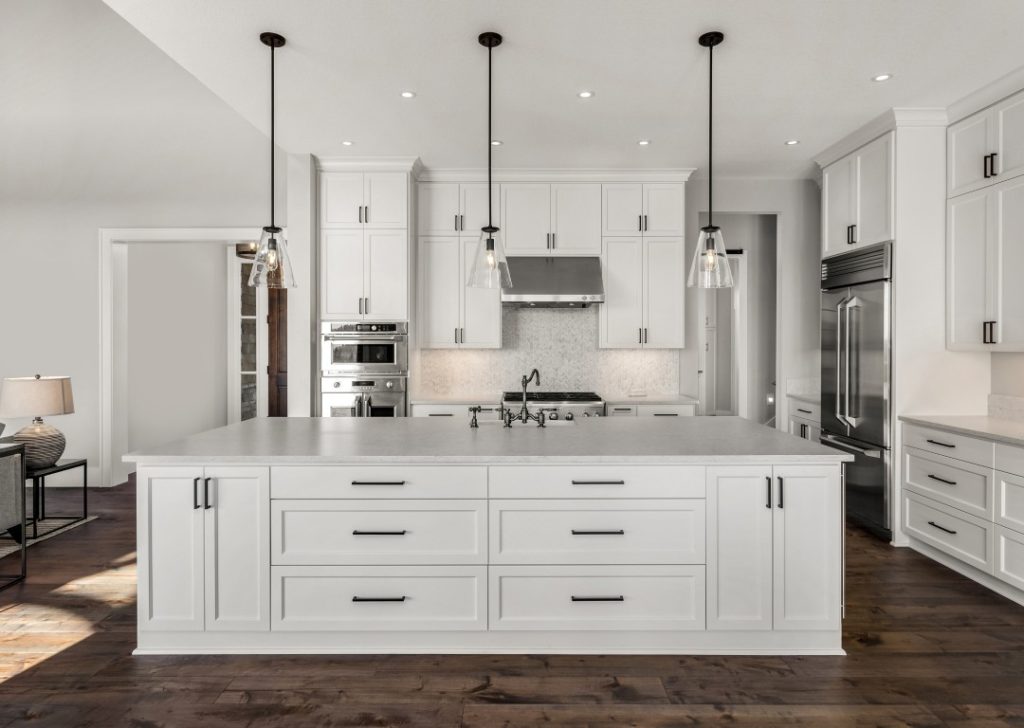
Cabinets are essential to a functional kitchen, and while they’re sturdy enough for years of use they can get dull from the constant touch of our hands. Repainting or cabinet refinishing San Jose CA can give your cabinets a fresh, updated look without the cost of replacement.
Scratches and dents might seem like minor nuisances, but they can leave your cabinets vulnerable to moisture damage. Make sure to repair them before refinishing.
Structural Integrity
Structural integrity is an engineering concept that focuses on how well a structure can hold up to a specified level of pressure without fracture or excessive deformation. It is important for man-made constructions of all kinds, from aeroplanes to river banks. Without structural integrity, these constructions would collapse. Structural integrity is not only a consideration during the design phase of a building, but it also plays a role throughout its life cycle.
Historically, builders, blacksmiths and carpenters used trial and error, apprenticeship, experience, and the knowledge handed down to them through generations to make safe and sturdy structures. These structures lacked the mathematical formulas that now help predict their integrity. Galileo Galilei was one of the first to begin developing mathematical ways to account for the strength of materials when designing structures, but the concept didn’t become widely known until the industrial revolution.
Today, engineers have sophisticated tools and technology to ensure the structural integrity of buildings and other structures. They take into account things like the weight of a structure on top of its foundation, as well as determining how much material is needed for a given task. They also consider how a structure will respond to varying levels of stress, such as wind and weather conditions.
Many factors can cause a structure to lose its structural integrity. These can include corrosion, fatigue cracking, operational stresses, and even human error. Some of these factors are unavoidable, but others can be mitigated or even prevented. For example, downtime caused by structural integrity problems costs an average of USD 125,000 per hour for oil and gas companies.
To reduce the risk of these issues, structural integrity management must be an integral part of all maintenance and production processes. However, there are several challenges to achieving this. First, it is difficult to balance maintenance and production demands with the need for risk reduction investments. Second, aging assets are often at or near their failure limits.
A third challenge is the difficulty in assessing and recording inspection, non-destructive testing, and analysis results on site. Using an integrated integrity solution can simplify the process and avoid errors that may be caused by transcription or data siloes.
Material Quality
The materials used to construct cabinets will determine the final quality of your refinishing job. If your cabinets are made of solid wood or MDF, they’ll take paint very well. The right choice of paint will ensure a smooth, durable finish that resists moisture and scratches. Using a clear polyurethane coat on top of your paint will also add extra protection, extending the lifespan of your cabinet finishes.
However, even if your cabinet doors and drawer fronts are in good shape, the cabinet boxes themselves may need to be refinished. Inspect the condition of your cabinets for dents, cracks, and mold. If you notice any of these issues, reach out to an expert to discuss your repair options. If the cabinet box is damaged beyond refinishing, you’ll want to consider a full replacement.
You’ll also need to decide what type of stain or paint you want on your cabinets. There are many different options, ranging from oil-based stain to water-based stains to combination stains. Choose a color that complements your design preferences. Once you’ve chosen a style, your experienced technician will begin the process of stripping and prepping the surface.
Stripping and sanding are vital steps in the refinishing process, because they prepare the material to accept new stain or paint. The goal of sanding is to remove the top layers of dirt and grime, creating a clean, even surface that will hold your desired stain or paint. This is why it’s important to hire an experienced professional, as a DIY job can lead to uneven and unattractive results.
Once the wood is prepared, your technician will apply multiple coats of your chosen stain or paint. Between each application, the surface will need time to dry thoroughly. Rushing this step will result in tacky or imperfect finishes that don’t last long. Light sanding between each coat will help smooth the surface and ensure that each new layer adheres seamlessly to the previous one. It’s also essential to wait between coats for the stain or paint to fully cure, as rushing can cause flaking and peeling down the line.
Layout Considerations
Cabinets are the foundation of any kitchen. They are not only a key aesthetic element, but they provide vital storage space to support your cooking habits and preferences. Customizing your cabinet layout to align with your kitchen workflow maximizes efficiency and enhances the overall aesthetic of your home.
It can be easy to overlook the details in cabinets, but a fine-tuned finish and construction quality are indicative of superior craftsmanship. When inspecting cabinets, run your fingers over the edges of each face frame and door. You want these to be gently rounded or radiused, rather than crisp and sharp, which are less durable and do not hold paint well.
The back of a cabinet is also an important aspect to consider. The best quality cabinets have a full plywood back panel, allowing them to attach to wall studs from any side, providing strength from all directions. The quality of this back panel is also an indication of how much reinforcement the cabinet has been built with. A thin or flimsy back is weak and will sag over time, especially with heavy contents.
Cabinet hinges are a crucial component to the operation of a cabinet. Those with a loose, sagging or non-functioning mechanism can cause doors to hang unevenly and will not close properly. High-quality hinges are typically nickel plated and adjust six ways to accommodate seasonal movement of the wood.
A quality-constructed cabinet will have a full, solid back and will not be held together by hanging rails or cleats. Depending on the type of cabinet, this solid back may be reinforced with butt or rabbet (notched) joints. It should be thick enough to withstand daily wear and tear, but not too thick to prevent proper cabinet ventilation.
Red Flags
Regardless of their material quality, not all pieces of wood furniture are candidates for refinishing. Look for any signs that the piece is in disrepair and might need to be re-glued or otherwise repaired before it’s safe for refinishing. You might also want to take the time to sand down any damaged surfaces, creating an even, smooth surface that will be easier for paint or stain to adhere to.
Before committing to the process, it’s also a good idea to thoroughly clean any wooden furniture that you plan to refinish. It can often surprise you just how much dirt and grime a flea market find or pawn shop purchase has collected over the years, making it necessary to do some extra work before starting your project.
Finally, make sure that the furniture is worth your time by doing what Masaschi calls “the rickety test.” Place your hand on the back of the piece and rock it to see how much swaying is going on — this indicates how well-constructed it is.
While refinishing cabinets isn’t always easy, with the right guidance from a professional, it can be an excellent way to give your kitchen a makeover without breaking the bank or sacrificing the integrity of your existing cabinet design. Hiring an expert to help you determine if refinishing is the best option for your renovation project and guide you through the steps of getting it done.