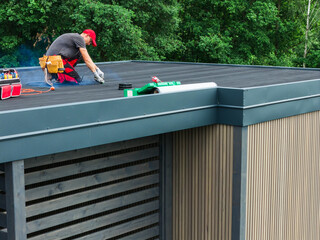
Flat Roof Repair: The First Steps

Visit Website

Flat roofs are prone to structural damage and leaks, which require prompt attention to preserve the integrity of the building structure. The key is regular inspections, which allow you to catch issues before they deteriorate.

Before beginning a flat roof repair project, you must prepare by gathering all necessary tools and materials, prioritizing safety, and clearing the area of debris. Next, identify the location of leaks or cracks and mark them accurately. Visit Website for more details.

Inspect the Roof

The first step in any flat roof repair process is to carefully inspect the entire surface. This will help to pinpoint problem areas that need repair and can provide a visual reference for the next steps. It’s important to pay special attention to areas around roof penetrations like vents, chimneys, and skylights, as these are frequent sources of leaks and water damage. In some cases, this can require removing the aggregate in these areas for an in-depth inspection. This step may be best left to professionals who can offer thorough assessments and utilize specialized diagnostic tools.

A professional flat roofer can identify and address any signs of leaks, cracks or other issues before they cause significant water damage. It’s important to catch these problems early, as the costs associated with repairing them can increase exponentially if allowed to progress. In addition to the initial repair cost, there are hidden costs such as structural deterioration, lower energy efficiency, and health risks associated with mold and rot.

In many instances, a quick fix will be enough to restore the integrity of a flat roof. However, it’s also important to have a plan in place for addressing more serious issues in the future. This could include a complete tear-off and replacement, which can be a less expensive and more practical alternative than continuing to repair leaks.

A comprehensive maintenance program should include inspections by a flat roof professional at least twice per year, in the spring and autumn. This will help to clear the roof of leaves, debris, and other material that can impede drainage and lead to degradation. In addition, it’s a good idea to arrange for a full roof inspection after severe weather events.

Mark the Location of Leaks and Cracks

Flat roofs can be susceptible to a wide range of issues that lead to leaks. Whether due to weather damage, material wear, or incorrect installation, it’s important to identify and address these problems before they lead to water ingress and interior water damage. Regular inspections and prompt repair help ensure your flat roof has a lifespan that protects your building and property.

Once you’ve identified a leak or area of concern, it’s helpful to mark the location using chalk, spray paint, or another marking method. This will make it easier to find the leak when the time comes to perform repairs. It’s also a good idea to take photos of the damaged areas and any signs of moisture or mold that can aid in the repair process.

Next, it’s necessary to clean the affected area. This will remove debris and dirt that can contribute to further wear on the roofing materials, as well as preventing proper drainage. A thorough cleaning will also help you locate the leak and cracks. It’s important to pay special attention to corners, gutters, and areas prone to debris accumulation.

Lastly, inspect the roof for low spots that accumulate water after rainfall. These can strain the roof membrane and allow water to penetrate the structure, leading to a loss of structural integrity. Addressing these problem areas promptly helps prevent water damage and a costly flat roof replacement.

If you suspect your roof is leaking, it’s always best to contact the roofing professionals who installed the roof. They’re familiar with the challenges that flat roofs can face and will be able to conduct a comprehensive inspection and recommend the right repair methods.

Clean the Area

When repairing flat roofs, a clean surface is essential for proper adhesion of patching materials. This means removing any debris that has fallen on the roof, addressing drainage issues, and eliminating mold and algae growth. A commercial cleaning service can help with this process.

If you are a homeowner and want to perform your own roof repair, take the proper safety precautions to avoid injury. Use a ladder that is stable and sturdy and practice safe climbing techniques. Check the weather conditions and choose a day that is not windy or rainy. Wear non-slip shoes and gloves, and work with a partner to prevent falls or property damage.

Depending on the roof material, you will need to clean the area before applying any patches or sealants. Using an industry-recommended cleaner, you can remove organic matter like leaves and twigs as well as dirt, mold, and algae. This will make the area you are repairing much easier to work with and ensure that your repairs are effective.

In addition to cleaning the affected areas, you may need to cut away any blisters or severely damaged sections of the roof. This is an important step because moisture trapped under these pockets can cause further problems. It is also a good idea to dry the area thoroughly before attempting any further repairs.

For more extensive damage, a complete tear-off and replacement may be necessary. This allows the opportunity to select new roofing materials that offer enhanced energy efficiency and sustainability. It is also possible to upgrade insulation as part of this process. While expensive, this type of roof replacement is often cost-effective over the long term and will improve the value of your home or business.

Apply a Sealant or Patching Compound

Whether you’re dealing with a pinhole leak or a wide area of damage, the first step is always to get the damaged area clean and prepped. Sweep the area and scrub it with a brush and roof-compatible cleaner to remove all accumulated dirt, debris, and moisture. Then rinse the spot to remove all cleaner residue and ensure that the underlying surface is dry.

It’s important to be very methodical about this part of the process, as getting it wrong could have disastrous consequences. For example, the type of sealant or patching compound you use depends on your roof material (asphalt, PVC, TPO, etc). If the incorrect product is used, it won’t bond to the existing membrane and might fail in a matter of months.

Also, make sure to take the time to examine the whole area and find all areas of potential damage. This includes ponding water, which usually indicates low spots where water accumulates and deteriorates the roofing membrane. You’ll want to look for cracks and blisters as well, as these are classic places for leaks to start. Finally, check the flashing at all penetrations, such as vents, pipes, skylights, and chimneys. This is another common source of flat roof leaks, and it’s a good idea to replace any worn or damaged flashing as needed.

Once the damage site is clean and prepped, it’s time to apply a primer or sealant to create a primary waterproof barrier. Be sure to choose a product that’s compatible with your flat roof material, and follow the manufacturer’s instructions to apply it correctly. This helps to ensure that the repair will stick and form a strong, lasting bond.

Test the Repairs

Flat roofs are attractive for their sleek design and space-saving features, but they are not immune to wear and tear. It is important to regularly inspect and repair flat roof damage, such as leaks, cracks, and deterioration of the roofing membrane, in order to prevent these problems from escalating into serious structural and financial disasters.

The most common flat roof repairs involve addressing leaks, but other maintenance issues may also be needed to extend the life of your flat roof. For example, a clogged drain can result in standing water on the roof surface that leads to membrane damage and leaks. Regular cleaning of the roof, along with frequent inspections and proper maintenance by qualified professionals, helps to keep drainage clear and reduces the risk of major leaks.

Another critical repair concern is rebuilding weakened or sagging sections of the roof structure. This is often required when the roof has suffered extensive water damage or when a sagging section threatens the integrity of the load-bearing structures beneath it.

While a complete roof tear-off is sometimes necessary to address these major issues, flat roof overlays provide an effective solution for many cases. This process involves applying a new waterproof coating to the existing roof, and it can be done with minimal disruption to building operations. A wide range of materials can be used, including EPDM rubber, modified bitumen, TPO, PVC, and fiberglass/GRP. These coatings can be applied to the roof surface using a roller or brush and must be completely dry in order to promote proper adhesion and to ensure a watertight seal. IR moisture detection is an essential tool in locating leaks and determining the condition of the underlying roof membrane.
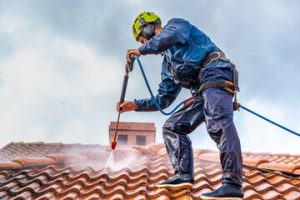
Above the Home: The Art and Science of Roof Cleaning

A clean roof defines the first impression of any home. It shields both structure and comfort silently from above. Roof Cleaning is more than aesthetics; it preserves longevity and value. Every method now balances efficiency, safety, and sustainability.

Roof Cleaning

Algae, moss, and lichen silently colonize shingles over time. These organisms trap moisture and accelerate wear. Without intervention, roofing materials deteriorate prematurely. Regular cleaning restores both appearance and protection.

Technology has revolutionized roof cleaning methods. Low-pressure washing and eco-friendly solutions replace harsh chemical blasts. Equipment is designed to protect delicate shingles. Efficiency now goes hand in hand with safety.

Proper inspection precedes every cleaning session. Professionals evaluate structural integrity and material type before applying techniques. This prevents accidental damage and ensures uniform results. Knowledge guides every step.

Preventive roof maintenance extends lifespan dramatically. Clearing debris, moss, and dirt reduces stress on materials. Clean surfaces allow shingles to perform as intended. The roof becomes a durable shield again.

Environmental factors dictate cleaning frequency. Shaded, humid, or heavily wooded areas require more attention. Sunlight, wind, and rain patterns influence algae growth. Each roof tells a story that determines its care schedule.

Safety remains a top priority in modern roof cleaning. Harnesses, scaffolding, and non-slip footwear protect technicians. Accidents on sloped surfaces can be severe. Proper protocol ensures work is completed efficiently without harm.

Water quality influences both technique and outcome. Using soft or filtered water prevents mineral deposits. Avoiding hard-water stains preserves material appearance. The solution is both technical and thoughtful.

Eco-friendly cleaning solutions are increasingly preferred. They remove bio-growth without harming surrounding plants or wildlife. Minimal chemical runoff aligns with environmental responsibility. Sustainability integrates seamlessly with maintenance.

Cleaning is also about aesthetics and curb appeal. A pristine roof brightens the entire home facade. It signals care, investment, and attention to detail. Property value and perception rise with maintenance.

Roof type influences the approach. Tile, slate, asphalt, and metal all require tailored techniques. Each material reacts differently to pressure, moisture, and cleaning solutions. Customization ensures safety and effectiveness.

Moss removal prevents structural compromise. Thick moss layers can lift shingles and trap water. Over time, rot and leaks become likely. Regular cleaning eliminates this hidden threat.

Gutter care complements roof cleaning. Blocked gutters exacerbate water accumulation on the roof. Debris removal reduces overflow and water damage. The system functions best when roof and gutters work in harmony.

Cleaning can uncover hidden issues early. Cracks, loose shingles, and damaged flashing are more visible post-cleaning. Early detection prevents costly repairs later. Maintenance becomes both restorative and diagnostic.

Professional roof cleaning preserves manufacturer warranties. Many warranties require periodic maintenance for validity. Neglect can void protection, increasing long-term costs. Compliance ensures peace of mind.

Time of year affects cleaning outcomes. Cooler, overcast periods reduce chemical evaporation and sun damage. Dry conditions ensure surfaces remain safe for technicians. Timing aligns efficiency with environmental conditions.

Advanced techniques now include soft washing. Gentle chemical solutions remove algae while low pressure prevents erosion. The method preserves integrity while achieving deep cleaning. Science meets care in every application.

Safety extends to homes below the roof. Falling debris, water, or solution can damage landscaping and property. Protective tarps and controlled runoff mitigate risk. Cleaning respects the entire property ecosystem.

Roof inspections often reveal insulation concerns. Damp or waterlogged areas compromise energy efficiency. Cleaning allows better assessment of potential heat loss. Maintenance integrates structural and energy considerations.

Cleaning frequency varies with climate and exposure. Coastal, rainy, or humid regions accumulate moss faster. Drier, sunny areas may require less frequent attention. Personalized schedules optimize both cost and performance.

Algae growth not only stains but degrades materials chemically. Ultraviolet light combined with moisture accelerates deterioration. Timely removal preserves structural integrity. Visual improvement and protection coincide.

Emerging tools allow precision application. Sprayers, soft brushes, and drones enhance safety and coverage. Technicians can target problem areas accurately. Efficiency is boosted without sacrificing quality.

The industry emphasizes minimal environmental footprint. Biodegradable cleaners reduce chemical load in runoff water. Low-pressure washing saves water while achieving thorough results. Sustainability is now a core metric of success.

Cleaning also impacts indoor health indirectly. Debris and algae can affect ventilation and attic air quality. Maintaining a clean roof supports indoor comfort and hygiene. Every surface above influences life below.

Tile roofs benefit from gentle scrubbing techniques. High-pressure washing risks chipping or cracking fragile surfaces. Soft tools combined with cleaning agents achieve both safety and effectiveness. The balance between force and care is crucial.

Metal roofs require special attention to prevent corrosion. Cleaning solutions are carefully selected to avoid chemical reactions. Water flow and contact time are precisely controlled. Longevity is maximized through scientific precision.

Environmental aesthetics matter as much as structural integrity. A roof free of stains enhances neighborhood appearance. Homeowners perceive cleaner properties as safer and more valuable. Visual appeal reinforces maintenance decisions.

DIY cleaning carries hidden risks. Slopes, heights, and chemical exposure create hazards. Professional knowledge ensures safe completion without accidents. Training is as critical as equipment.

Maintenance reduces long-term costs significantly. Preventing moss, algae, and debris buildup avoids expensive repairs. Every dollar spent on cleaning is multiplied in durability. Proactive care outperforms reactive fixes.

Cleaning can extend warranty periods by preserving materials. Manufacturers require periodic care to honor claims. Documented maintenance protects both investment and home safety. Records of cleaning are as valuable as the service itself.

Advanced soft-washing systems integrate chemical, water, and brush technologies. The combination achieves thorough results without aggressive force. Surfaces remain intact while contaminants are removed. Innovation makes traditional methods obsolete.

Sustainable roof cleaning also supports biodiversity. Harsh chemicals threaten plants, insects, and birds. Eco-conscious methods maintain ecological balance. Cleaning contributes to environmental harmony.

Drones now assist in roof assessment. Aerial images reveal moss clusters, damaged shingles, and water pooling. Inspection becomes faster, safer, and more accurate. Technology complements human skill in service.

Moss and lichen removal reduces moisture retention. Damp conditions accelerate decay and leakage. Proper cleaning ensures roofs shed water efficiently. Prevention safeguards both interior and exterior structures.

Every cleaning is an opportunity for early repair. Cracks, loose shingles, and flashing issues are more visible after washing. Proactive intervention avoids emergencies and costly replacements. Regular attention equals long-term savings.

Safety standards continue to evolve. Personal protective equipment, fall arrest systems, and team protocols prevent accidents. Industry best practices prioritize life over speed. Maintenance is effective only when executed safely.

Chemical-free options are gaining popularity. Steam, baking soda, and oxygenated water provide alternatives to harsh cleaners. Results remain effective while minimizing environmental impact. Green cleaning aligns with modern values.

Cleaning influences overall home energy efficiency. Algae-stained surfaces absorb heat differently, impacting temperature regulation. Clean roofs contribute to lower cooling and heating costs. Maintenance enhances both comfort and sustainability.

Shingle preservation is a critical focus. High-pressure methods can erode protective granules. Soft cleaning maintains integrity while extending life. Careful technique preserves both functionality and aesthetics.

Regular inspections paired with cleaning prevent emergency situations. Early warning signs like discoloration or moss clusters indicate future risks. Maintenance schedules now incorporate predictive analysis. Prevention becomes smarter than repair.

Cleaning also improves stormwater management. Debris-free surfaces channel water efficiently into gutters. Reduced blockage minimizes flooding and water damage. Proper maintenance ensures controlled runoff.

Technological integration improves workflow efficiency. Digital records, remote scheduling, and predictive maintenance enhance service. Homeowners gain confidence through transparency. Roof care becomes organized and data-driven.

The tactile aspect of cleaning matters. Brushing, washing, and treatment must respect material properties. Every method considers texture, angle, and durability. Skill determines results as much as technique.

Professional roof cleaning is both art and science. It requires precision, knowledge, and care. Every treatment balances aesthetics, protection, and sustainability. The result is a roof that performs and impresses simultaneously.

Education for homeowners reinforces long-term benefits. Knowledge about moss prevention, water flow, and seasonal care extends effectiveness. Maintenance becomes a shared responsibility. Informed clients protect investment and safety.

Cleaning frequency is adapted to each property. Exposure, roof material, and surrounding vegetation inform schedules. Over-servicing wastes resources; under-servicing risks damage. Optimal intervals maximize cost-efficiency and protection.

Modern roof cleaning emphasizes environmental stewardship. Biodegradable cleaners, low-water systems, and careful runoff management prevent ecological harm. Every action considers both home and planet. Sustainable practice is now inseparable from service excellence.

Weather conditions guide operations. Wet, windy, or icy days can compromise safety and cleaning quality. Professionals plan schedules to align with optimal conditions. Timing ensures effectiveness without unnecessary risk.

The industry continues to innovate in equipment design. Lightweight hoses, ergonomic brushes, and smart sprayers reduce strain and increase precision. Efficiency and safety evolve together. Tools become extensions of expertise.

Overall, roof cleaning preserves both structural and visual integrity. It enhances home longevity, reduces repair costs, and improves curb appeal. The invisible care above the household influences comfort below. Regular attention ensures both beauty and function endure for decades.

Roof cleaning is no longer a simple chore; it is a sophisticated practice. It integrates safety, technology, sustainability, and aesthetics. Every service visit restores value, extends life, and protects both home and environment. Above all, a clean roof is a silent guardian of peace and durability.