Affordable Gutter Maintenance Services for Homes and Businesses

Gutters play a critical role in protecting properties from water-related damage, helping to channel rainwater away from roofs, walls, and foundations. When gutters are not properly maintained, they can become clogged, damaged, or inefficient, leading to costly structural issues that could easily have been avoided.

Affordable Gutter Installation Gainesville FL and maintenance services are essential for keeping both homes and businesses safe from water intrusion, mold growth, landscape erosion, and foundation problems. By investing in routine inspections, cleaning, and repairs, property owners can extend the lifespan of their gutter systems and preserve the overall integrity of their structures.
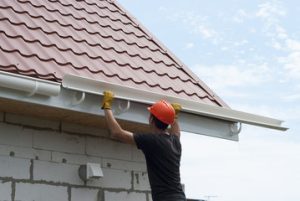
gutter

Regular gutter maintenance is one of the simplest yet most effective ways to prevent water from pooling around your property. Over time, gutters can accumulate debris such as leaves, dirt, twigs, and roofing granules, which block the natural flow of water. When the system becomes overloaded, water may overflow onto exterior walls or seep into the foundation. This is particularly concerning for businesses where structural damage can disrupt operations, impact customer experience, and require extensive repairs. Affordable gutter maintenance services aim to eliminate these risks by providing thorough cleaning and inspection solutions that ensure rainwater flows smoothly throughout the entire drainage system.

When evaluating the importance of affordable gutter maintenance, it’s crucial to consider how much damage neglected gutters can cause. Foundations are especially vulnerable because they depend on stable soil conditions. If water pools too close to the base of a building, it can soften the soil, create cracks, and lead to uneven settling. For homes, this can result in structural instability that compromises safety. For commercial properties, foundation issues can disrupt business continuity and lead to expensive repair projects. Gutter maintenance services help protect your investment by ensuring water is directed away from all vulnerable areas.

Another major benefit of professional gutter maintenance is the prevention of roof damage. Clogged gutters can trap moisture, which creates a breeding ground for mold and mildew while weakening roofing materials. When gutters overflow, water can seep under shingles or roofing panels, causing rotting, leaks, and interior water damage. Regular, affordable maintenance services help keep roofs dry and functioning correctly, reducing the risk of unexpected repair costs. This is particularly helpful for business owners who rely on their building’s condition to maintain a safe and comfortable environment for employees and customers.

Affordable gutter maintenance services typically include cleaning, minor repairs, inspections, and recommendations for improving long-term performance. Professional cleaners use safe and effective methods to remove debris and check for signs of wear, such as sagging sections, loose fasteners, or damaged downspouts. Property owners benefit from this proactive approach because it helps identify issues early before they develop into expensive problems. Most service providers offer maintenance packages that can be scheduled seasonally, annually, or as needed, giving home and business owners flexibility and control over their gutter care.

One of the reasons homeowners and business managers choose affordable gutter maintenance services is the convenience they offer. Attempting to clean gutters on your own can be dangerous, especially for multi-level homes or commercial buildings. Climbing ladders, handling tools, and dealing with heavy debris all pose safety risks. Professional technicians are equipped with the right tools and training to complete the job efficiently and safely. They understand how gutter systems operate and how to spot subtle signs of deterioration that might go unnoticed by an untrained eye. For many property owners, outsourcing gutter maintenance is not only cost-effective but also a safeguard for their personal safety.

In addition to providing peace of mind, affordable gutter maintenance services help improve the overall appearance of properties. Gutters filled with debris or showing signs of wear can significantly reduce curb appeal. For businesses, the condition of the exterior can influence customer perception and brand image. Clean, well-maintained gutters demonstrate care and responsibility, signaling to visitors and customers that the property is regularly cared for. Routine maintenance also prevents issues such as rust stains, exterior wall streaks, and landscape erosion, all of which can detract from the overall aesthetics of a home or commercial building.

For those looking to ensure the longevity of their gutter system, affordable maintenance services also promote sustainability. A well-functioning gutter system can help manage rainwater more efficiently, reducing erosion and minimizing unnecessary waste. Some property owners use gutter maintenance as an opportunity to explore eco-friendly add-ons such as rainwater collection systems or gutter guards. Though optional, these enhancements can reduce the frequency of cleanings, helping property owners save money over time.

When choosing affordable gutter maintenance services, understanding what to expect can help you make an informed decision. Here are two important components of a reliable maintenance plan:

  1. Comprehensive Cleaning and Inspection – This involves the removal of debris from gutters and downspouts, ensuring proper water flow. An inspection follows to identify leaks, corrosion, sagging sections, and loose components.
  2. Preventive Maintenance Recommendations – Technicians may suggest repairs, sealing joints, adjusting gutter alignment, or installing protective devices such as gutter guards to reduce future maintenance.

By following a structured maintenance schedule, home and business owners can maximize the performance of their gutter systems. Seasonal cleanings, especially during autumn and just before heavy rainfall seasons, help prevent unexpected clogs and damage. Many service providers offer discounted rates for recurring maintenance plans, making it even more affordable to keep your gutters in excellent condition year-round.

Affordable gutter maintenance is also essential for preserving indoor comfort. When gutters overflow or leak, water can enter the interior of the property, affecting insulation and temperature control. Moisture buildup inside walls or ceilings can reduce energy efficiency and increase utility bills. Business owners, in particular, need stable indoor conditions to protect equipment, maintain inventory quality, and provide a pleasant environment for employees and customers. Regular maintenance helps prevent these disruptions by ensuring water stays where it belongs—outside the property.

Furthermore, neglecting gutter maintenance can result in pest infestations. Stagnant water and accumulated debris create ideal conditions for insects, birds, and rodents. These pests can cause significant damage to the structure and may pose health risks. Affordable maintenance services help eliminate these conditions by keeping the gutter system clean and dry, reducing the likelihood of infestations. This helps maintain a healthier environment for families and workforces alike.

Another advantage of investing in gutter maintenance is the long-term cost savings. Small issues that are addressed early can prevent major repair costs in the future. For example, repairing a minor leak or reattaching a loose gutter bracket is far more affordable than repairing structural water damage or replacing an entire gutter system. Property owners who stay proactive with maintenance experience fewer emergencies and benefit from systems that last longer and perform more efficiently.

For businesses, affordable gutter maintenance services can be part of a broader property management strategy. Consistent care helps extend the lifespan of exterior components and supports safety compliance by eliminating hazards such as water pooling and slippery walking surfaces. When combined with other preventive maintenance efforts, gutter care enhances operational efficiency and reduces downtime caused by weather-related damage.

In conclusion, affordable gutter maintenance services are a valuable investment for both homes and businesses. They ensure that properties remain protected from water damage, foundation issues, roof deterioration, and pest infestations. Regular maintenance improves aesthetics, enhances safety, and offers long-term financial benefits. By choosing a reliable provider and committing to a consistent maintenance schedule, property owners can enjoy the peace of mind that comes with a well-functioning and long-lasting gutter system. Whether you’re managing a residential property or overseeing a commercial building, proactive and cost-effective gutter maintenance is essential for safeguarding your structure and maintaining lasting durability.

The Installation Process of Stamped Concrete – Step-By-Step

Stamped Concrete Denver

Stamped concrete is an intermediate-level project that’s manageable for a determined DIYer, but it does require attention to detail and good timing. The window of time in which to stamp is limited, and mistakes cannot be easily undone. It’s best to diagram the stamp layout and have enough labor on hand before beginning. Using a product like Brickform’s DAY1 to extend workability will also help ensure that the concrete is stamped while it’s still workable.

Preparation

Stamped Concrete Denver is a durable, attractive, affordable and low-maintenance flooring option. It has the added benefit of being slip resistant, which is particularly important in areas with high foot traffic.

Unlike poured concrete, which is a solid mass, stamped concrete can be made with an infinite number of patterns and colors. Often homeowners get their inspiration from tile, stone or textured concrete elements in the surrounding landscape or home’s architectural style. It’s a great choice for patios, pool decks, driveways and garages.

Before beginning the actual stamped concrete process, the contractor must prep the area. This involves cleaning the concrete slab and removing any existing coatings. It’s a good idea to apply a concrete bonding agent to the surface to help ensure a strong, long-lasting bond.

Once the concrete is clean, the concrete stamping tools are applied to the concrete. It’s important that the contractors carefully diagram the stamp layout before starting, as well as have enough manpower to execute the plan. This is a time-sensitive project, as the window of opportunity to stamp the concrete before it hardens is quite small.

It’s also a good idea to have enough color stain on hand, as this can be used to highlight or accent specific elements in the final design. The color can be added to the concrete during mixing or by using a color hardener. It’s a good idea to do a test run before applying the color to see how it looks and what the outcome will be. It’s also a good idea to apply a concrete sealer to the finished project. A sealer will enrich the color, add a sheen (ranging from satin to high-gloss), reduce the risk of efflorescence discoloration and block penetration from dirt, chemicals, leaves and other debris.

Pouring

Concrete is a solid, functional material that can be used to build patios, pool decks, driveways and walkways. However, it can sometimes feel a bit industrial or uninspired. With a little creativity and technical innovation, homeowners can create stamped concrete that resembles the look of stone, brick or wood to add warmth, charm and sophistication to their homes.

While the pouring process may seem simple enough, stamping concrete is a project that requires some planning and coordination to get it right. For example, the window of opportunity in which to stamp the concrete is typically short, especially in warm weather. It’s important that the layout for the stamp pattern is diagrammed out ahead of time and that there are enough workers on hand to keep pace with the work.

Using a release agent is also key to achieving the best results from your concrete stamping project. A liquid release works similar to a no-stick cooking spray and is applied just before stamping. It helps prevent rubber stamps from sticking to the concrete once it is poured, resulting in a cleaner, more realistic texture.

Color hardener is another important component in the concrete stamping process. It isn’t necessary if you’re working with integrally colored concrete, but it’s a great way to enhance the final appearance of your concrete and make it even more durable. When using color hardener, it’s important to follow the manufacturer’s recommended coverage rate for the specific product you’re using. This helps ensure that the color is distributed evenly throughout the entire surface of your concrete slab.

Laying Out the Stamps

Stamped concrete can imitate the appearance of fractured earth, real stone or wood for a unique aesthetic that enhances backyard landscaping. It also adds curb appeal to a house and may increase its resale value.

A concrete specialist can prepare the site, pour the concrete and use a special tool to stamp patterns into it. However, the installation process of stamped concrete isn’t DIY-friendly, Hutchinson says, as mistakes are difficult to fix and could damage the surface once it hardens.

Professionals can help homeowners decide on a design for their patios, driveways or pool decking by presenting a variety of samples. They’ll also help determine how much concrete the project requires and if it needs reinforcement, such as steel mesh.

Before stamping, the concrete is dampened and cleaned. Next, a concrete release agent is applied to the surface of the concrete. Whether it’s powdered or liquid, the product prevents stains, sealers and secondary colors from bonding to the concrete surface. Liquid color release is usually easier to use because it’s spray-on and doesn’t require precise pattern alignment.

Concrete stamps are flexible tools made of durable polyurethane that come in sets to ensure consistent results. They can be placed and moved quickly with a rail system to ensure even coverage over the entire area of the concrete surface. Professionals should always follow instructions for using the tool and be careful not to over-emphasize a part of the stamp result by walking too hard or in a specific direction.

After the concrete is stamped, control joints are cut into the surface at regular intervals, about every six feet. Then, a de-icing salt application can be applied to protect the concrete from winter weather conditions. Cleaning and resealing every two to three years will keep the concrete looking new.

Tamping

Stamped concrete is not as flexible or as easy to shape as poured concrete, so it’s not the best choice for curved surfaces. However, if the design is straight and simple, it’s an affordable option for patios, pool decks, driveways and walkways. It’s also more cost-effective than paving materials like natural stone, brick and pavers, and it offers the added benefit of being able to be customized.

A basic stamped design with one color and pattern runs $8 to $12 per square foot, while mid-range jobs with borders or contrasting patterns can run up to $18 per square foot. High-end custom projects can cost even more.

Once the stamped concrete has dried, a sealer is applied to protect the surface from stains and other damage. Most contractors use a high-quality product such as Butterfield Color Cure & Seal or Sealem WT T. Unlike concrete that’s not stamped, these sealers can be pigmented for a more vivid finish.

It’s not DIY-friendly

Although the installation process for stamped concrete is relatively simple, it requires expertise and specialized tools to get the job done right. It’s not a good idea to attempt to do it yourself, as mistakes could be costly to correct once the concrete sets.

A professional contractor will have access to better equipment and training, making them a wiser investment. In addition, they will be able to save you time by getting the job done more quickly than you would if you tried to do it yourself. A professional will also be able to help you select the right colors and patterns for your project, ensuring that it meets your aesthetic preferences and reflects your home’s architecture.

Sealing

When concrete is stamped, it must be sealed to protect it from stains, weathering and the wear and tear of traffic. A high-quality sealer, like Covercem Stone or Covercem Monocrom, can help a stamped surface last for decades. It is important that the new concrete be thoroughly cleaned and free of contaminants before sealing. A light etch, using a product such as E-Etch, can also help open up the pores of the concrete so that the sealer has a better bond.

Color changes in stamped concrete are common, but can be minimized by periodic cleaning and resealing. It is important to use the same procedures for resealing as were used to apply the initial coat of sealer. If a stamped surface will be exposed to harsh chemicals, de-icing salts or automobile traffic, it may need to be resealed more frequently than a non-exposed surface.

A final note on stamped concrete: If it is to be used in a pedestrian-heavy area, a heavier texture or the addition of non-skid additives may be required for safety. Consult with your contractor to see if any slip resistance enhancement is needed.

To ensure that the concrete stamp textures are evenly distributed, it is important to maintain consistent pressure when tamping. Be careful not to walk across the skins on the balls of your feet, or tamp too hard along the edges of the overlapping skins. This can over-emphasize one part of the stamp result, and make the finish look blotchy or sloppy. Once the skins have been tamped, carefully peel back an edge to check for consistency. If all looks good, the skins can be removed from the concrete and set aside for future use.